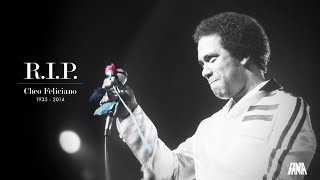
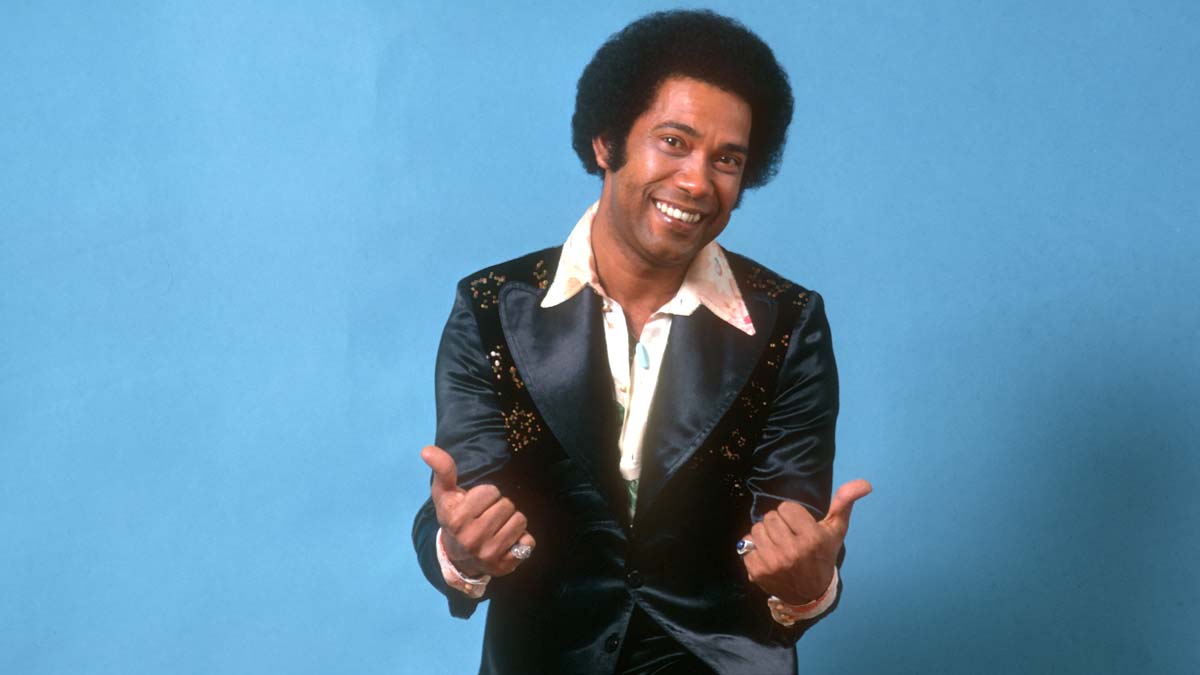
Cheo Feliciano, considered one of the most powerful voices of salsa, was characterized by his excellence and his ability to interpret various musical styles.
His first steps onto the music scene were at the Juan Morel Campos School in his native Puerto Rico, where he learned solfeggio and basic music technique.
At the age of 17 he went to New York, a city that struck his fancy, and the place where many of his compatriots had received their training. Faced with the decision of either seeking academic training or remaining self-taught, he decided the best school would be the inner workings of this difficult and complex world, rubbing elbows with the great Latin artists of the 50s: Tito Puente, Ismael Rivera, Tito Rodríguez, Joe Cuba, Arsenio Rodríguez, and Mon Rivera, among others.
His humility, one of his most notable features, allowed him to absorb the experience and wisdom of these maestros. They were not only his mentors, but powerful influences in what would be his future professional career. He was a solo vocalist and musician for many orchestras, known for his stage presence and sensitivity, which he demonstrated in his notable performances with the orchestras of Eddie Palmieri, Ismael Rivera, Joe Cuba, and others.
During one of the most outstanding stages of his career, he joined the cast of Fania Records, where he was resoundingly successful with countless albums that took him around the world as a distinguished member of the ultra-famous Fania All Stars.
For more information about this artist visit the wikipedia site by clicking here.
Cheo Feliciano, considerado una de la voces más privilegiadas en el panorama salsero, se caracterizó por su excelente calidad y capacidad para interpretar los géneros más diversos.
Sus primeros pasos en el ambiente musical los forjó en la Escuela de Juan Morel Campos en su natal Puerto Rico, donde aprendió solfeo y las técnicas básicas inherentes a la música.
A los diecisiete años viaja a Nueva York, cuyo panorama se le antojaba propicio, donde se habían formado muchos de sus compatriotas. En un principio, con la idea de optar por una preparación académica, pero como autodidacta por excelencia decidió que su mejor escuela sería conocer las interioridades y desenvolvimiento de este mundo difícil y complejo, y sobre todo codearse con las grandes figuras latinas de los años cincuenta: Tito Puente, Ismael Rivera, Tito Rodríguez, Joe Cuba, Arsenio Rodríguez, Mon Rivera, entre otros.
Su humildad, una de las características más notables de su personalidad, le permitió absorber de la experiencia y sabiduría de estos grandes Maestros que no solo fueron sus mentores, también ejercieron decisiva influencia para delinear y pautar lo que sería su futura carrera profesional.
Participó como cantante solista y músico en varias orquestas destacándose por su dominio de escena y una particular sensibilidad como hubo de demostrarlo en sus notables participaciones en las orquestas de Eddie Palmieri, Ismael Rivera y Joe Cuba, entre otras.
Una de las etapas más sobresalientes y brillantes en su carrera, la propició integrarse al elenco de talentos del sello Fania, donde obtuvo resonantes éxitos en incontables producciones que lo llevaron a recorrer el mundo como miembro destacado de la super famosa, “Fania All Stars”.
Para obtener más información acerca de este artista visite la pagina de Wikipedia haciendo clic aquí.
$19.99
|
|
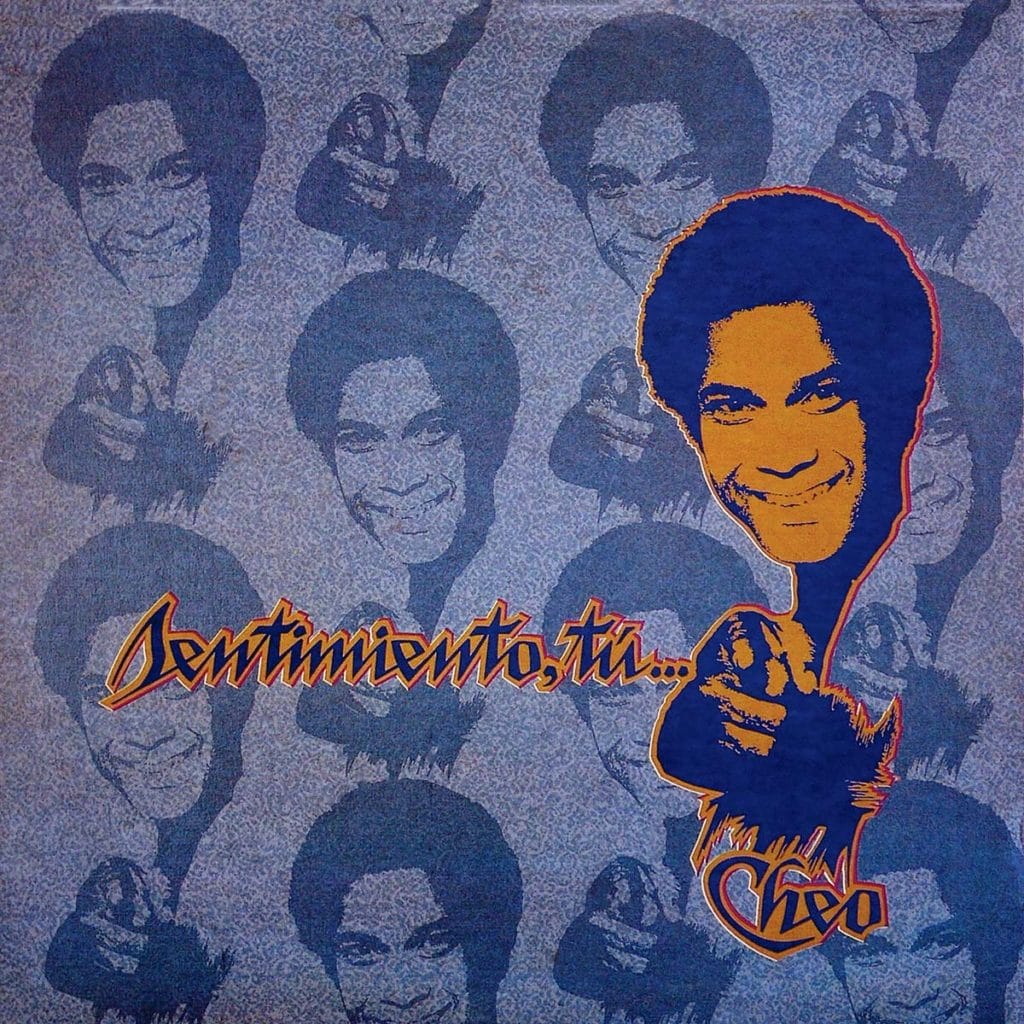
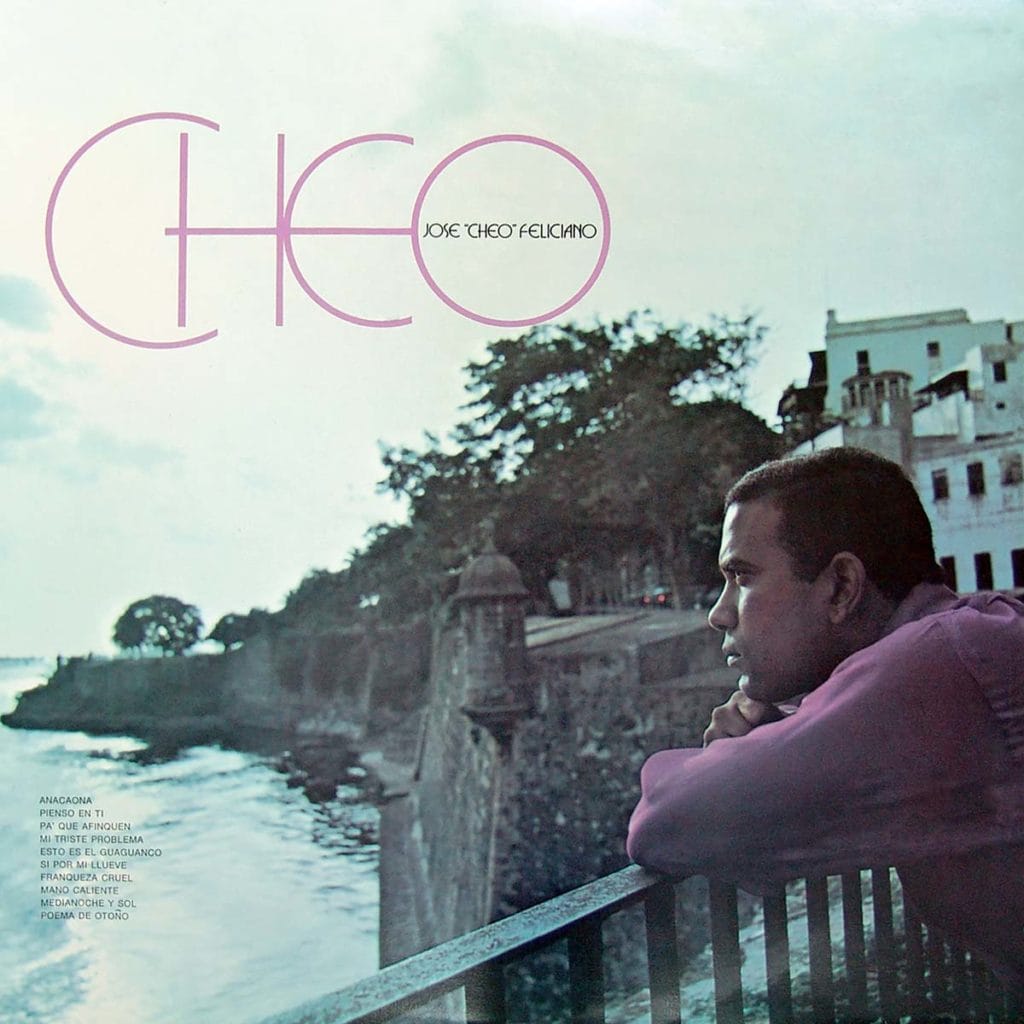
The childhood of José ‘Cheo’ Feliciano was poor but happy. His parents were Prudencio, a carpenter, and Crecensia, a homemaker. Cheo inherited from them a taste for the irresistible seduction of music. On Sunday afternoons, recovering from a week's work, his parents would sing the popular boleros and guarachas of the time. Together with Raúl Manfredi and a few other boys from the neighborhood of Bélgica de Ponce, Cheo discovered the magic of Afro-Caribbean percussion. He received his first formal music lessons by Julio Alvarado, at the school Escuela Libre de Música Juan Morel Campos. The defining moment that introduced Cheo into the mambo craze and burgeoning salsa movement happened in New York, when he became the conga player with Conjunto Marianasi, led by Luis Cruz. In his first live gigs, Cheo would imitate the famous soneros of the time. At the infamous Palladium, the mecca of mambo,Tito Rodríguez gave him his first opportunity as a singer. "I wanted to sound just like Tito," remembers Feliciano. "His perfectionism and professionalism were an example to follow. Tito was my teacher, mentor and advisor. He recommended me to Joe Cuba's sextet." A sonero is established During the '50s, Cheo joined the Joe Cuba Sextet and made it big. The leadership of the great orchestras of Tito Puente, Machito and Tito Rodríguez was coming to an end, and a trend favoring smaller orchestras was established. The Joe Cuba Sextet became a phenomenon, particularly because of the intensity and versatility of the Sabater-Feliciano combination - unequaled in the history of Latin music. Through hits such as "El Pito," "Nina" and "El Ratón" (the latter was reminiscent of his childhood, when the singer and his friends chased rodents with slings), Cheo experienced fame. Sadly, he fell victim to the temptations of controled substances. "At the time, people weren't really aware of drugs and their dangers," he explains. "Most of us experienced all that due to ignorance. Young people are always searching for adventure. We were offered drugs, with the promise that they would make us feel good. We knew nothing of the addiction, illnesses and other consequences that lay ahead." After he spent days wandering about the Latin barrio, Eddie Palmieri reminded him that he was a talented man - that he could stand up. Eddie gave him two tracks - Marcelino Guerra's "Busca Lo Tuyo" and "Ay, Que Rico" - on the 1968 LP Champagne. Fortunately, Cheo was able to see the light at the end of the tunnel. He spent a week at home, deep in reflection. Months later, in December of 1969, he moved to Puerto Rico and became one of the pioneers in the drug foundation Hogares Crea. With a little help from my friends The final realization of Cheo as an artist, and his redemption as a human being, happened thanks to the generosity of a number of friends - Tite Curet Alonso, Tommy Olivencia, Silvio Iglesias - who made a conscious attempt to help him return to singing. Tite and Cheo met in New York, 110th and Madison, the heart of the Latin barrio. They were introduced by Fernando Sterling, a common friend. Back in Puerto Rico, Tite visited him frequently at Hogar Crea. He also introduced him to Jerry Masucci, who signed him as an exclusive artist with Vaya Records. With arrangements by Bobby Valentín and Nick Jiménez, and the songwriting wisdom of Tite Curet Alonso, Feliciano recorded the album Cheo, which includes classic cuts such as "Anacaona" and "Mi Triste Problema." "I always knew that I would write a good song for Cheo," recalled Tite during an interview. "'Anacaona' tells the story of an Indian princess from the Dominican Republic. The Spaniards killed her husband, Prince Caonabo. Romantic themes were at the core of the other songs that I wrote for this album. “Mi Triste Problema” talks about couples that are married in paper, but share no love between them." The only black man whose pores sweat honey Mentioning the name of José ‘Cheo’ Feliciano in 2009 is talking of a veritable gentleman of the stage, an altruistic example of self-realization, and a multifaceted singer who has shone in every Latin genre. During the mambo section of the Tite Curet composition "Trizas," Cheo points out that he is "the only black man whose pores sweat honey" - an allusion to his innate romanticism. This collection could not be complete without "Amada Mía" by José Nogueras, and "Juguete" by Bobby Capó, boasting a string arrangement by Argentine producer Jorge Calandrelli, who became internationally famous through his work for Cheo. "When Tito Rodríguez died, Fania tried to turn Cheo into a new version of Tito," explained Tite Curet. "It didn't work out, because Tito was sui generis, and Cheo was different. He found his way again with the album Estampas." The voice of the salsa chronicle If we strive to be true to the real story of José ‘Cheo’ Feliciano - the man and his music - the exercise of documenting his relationship to song demands that we underscore the fact that, just like salsa would not exist without Tite Curet, Cheo's career would not have enjoyed the prestige and credibility that it did without Tite's songs. Tite was Cheo's "musical tailor." And without Cheo's voice, Tite's chronicles - inspired in real life - would not have transcended with such eloquence and social impact. "Anacaona," "Pa' que afinquen" and "Mi triste problema" A successful trilogy of songs, culled from Cheo's debut LP for the Vaya label. Released in 1971, the album was a virtual passport to the gathering of Fania stars at the Cheetah club. This was more than deserved for Cheo, since he was a veteran of the jam sessions held by the Tico and Alegre All Stars at the Village Gate. "Anacaona". The sequel to this song is titled "Canoabo." Cheo did not record it. "Pa' Que Afinquen" is a tasty son that finds Cheo admitting that other singers took advantage of his long absence from the music scene. However, he has no trouble recapturing the spotlight, because he sings from the heart and without skipping the clave - like a few of his competitors do. "Mi Triste Problema" describes the tragedy of the man who lives with a lady whom he doesn't love anymore - either to keep up appearances, for fear of what people may say, or because of a contract or promise made to God. "Armonioso Cantar" and "Naborí" In 1973, following the album of boleros with strings La Voz Sensual that Jorge Calandrelli had produced the previous year, Tite and Cheo met again for the project With A Little Help From My Friend. The sequel to "Pa' Que Afinquen," "Armonioso Cantar" is another delightful son where Cheo reclaims his leadership as a sonero who feels "the rhythm in his heart." The story of a man who is exploited during the time of the Caribbean sugar plantations, "Naborí" tackles the issue of racial discrimination. "Estampa marina" and "Los Entierros" Two classics of narrative salsa, recorded in 1979. "Estampa Marina" was inspired by the experiences of fishermen from the region of Vieques de Loíza, Puerto Rico, who went fishing with the uncertainty of their return - quite often, the sea would punish their humble boats, bringing sorrow and despair to their families. Tite wrote "Estampa II: El Regreso," but Cheo has never recorded it. "Los Entierros" stems from Tite witnessing a funeral procession in the community of Nemesio R. Canales in Bayamón, Puerto Rico. The family of the deceased was so poor, that the flowers in the procession were made out of paper. One of the greats Today, José ‘Cheo’ Feliciano is the dean of all salsa singers, with over five decades of pure feeling and flavor. Considering his trajectory, Cheo is clearly one of the five most emblematic vocalists in the history of salsa. In no particular order, since each one of these is in a class of his very own, Cheo is a legend - together with Ismael Rivera, Héctor Lavoe, Rubén Blades and Celia Cruz. Just like Cheo, these artists sing truthfully, and they have always brought joy to people. Liner notes by Jaime Torres-Torres
$15.99
|
|
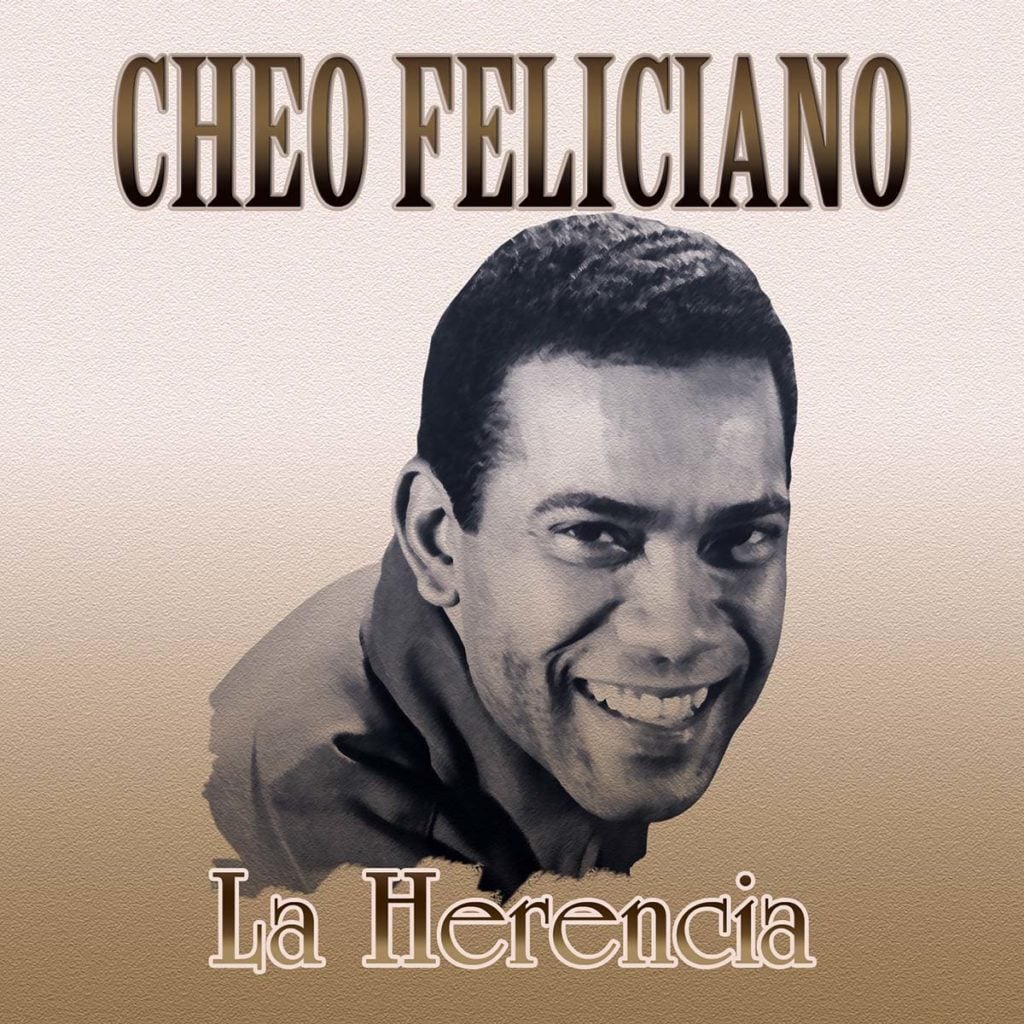
The Anthology series represents the very best of the impressive Fania roster of artists. Cheo Feliciano’s inclusion into the series was well deserved as he was a mainstay in the sound of Latin NYC. His vocal prowess and mix of work (from Joe Cuba to the Fania All Stars and then solo) solidified him as one of the Fania greats. This collection is a must-have for all tropical music fans and collectors.
$9.99
$9.99
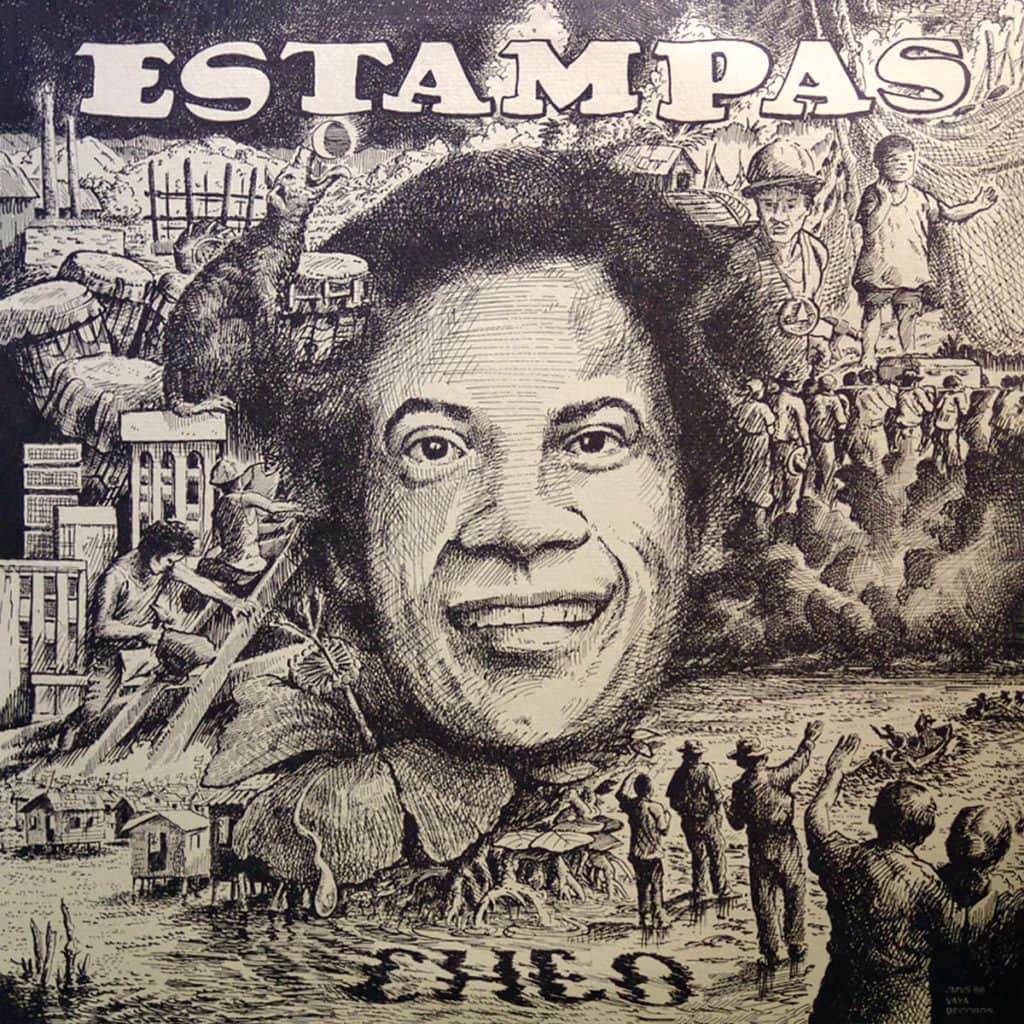
Released in 1979, "Estampas" is considered among Cheo Feliciano fans as one of the most transcendental entries in the Puerto Rican singer's discography. Interestingly, one of the album's biggest fans is Cheo himself. It is my understanding that this is the most complete record that I have ever made, says Feliciano from his home in Puerto Rico. It is the also the one that I love the most. The crooner, who produced the record himself, points out that a lot of effort was placed to create a conceptual work that was cohesive in every possible aspect-- from the song selection to the artwork, which made reference to the record's collection of interrelated vignettes or estampas. The themes of the songs may focus on different aspects of life, but they are all related to the sociopolitical themes that I wanted to elaborate through my music, he explains. Taken as a whole, I think the record was successful in transmitting the message that the songwriters wanted to convey. One of the songwriters, of course, was longtime Feliciano collaborator and fellow Puerto Rican Tite Curet Alonso. Two of his compositions open up "Estampas": the wonderful “Los Entierros”, about the burials of working class people, and the more introspective “Estampa Marina”. “El maestro” Curet Alonso and I shared a long standing friendship and mutual appreciation, says Feliciano. We lived parallel lives, filled with both moments of joy and moments of cruelty. We were alike in many aspects. From Héctor Lavoé to La Lupe and Rubén Blades, plenty of salseros benefited from Curet Alonso's compositional genius. Feliciano was the one performer who best encapsulated the songwriter's cosmovision. Their collaboration began with a bang on the 1971 album Cheo, which included the anthemic Anacaona. I identified with his work and he identified his own creations with me, adds the singer. Every time Tite wrote a song for me, it was an experience. In his own words, it was like clothes that are made to measure. And that's how they felt. I never had any doubts performing them. The voice of Curet Alonso himself is heard on the spoken intro of “Estampa Marina”, a track that showcases Feliciano's taste for eclectic arrangements. The tune includes trap drums and the kind of jazzy vibe associated with quality Latin pop from the '70s. I always had an appreciation for the sounds of other genres," explains Feliciano. "I had the good fortune of working with arrangers who shared my taste. Many of them were hidden jazzmen-- they needed someone to give them the green light to elaborate their talent. "Estampas" also includes two tracks (“Cualquier Cosa” and “Con Mis Memorias”) by Feliciano's other favorite songwriter-- the inimitable Bobby Capó. He represented the other side of Cheo Feliciano, says the singer. He was a real wizard of romance. The heart of his melodies were unabashedly romantic, but he also had his own, singular way of presenting them. When he sang those melodies, I could hear myself singing them. I always identified with his vocal style-- many people forget that Bobby Capó was not only a wonderful songwriter, but also a superb singer in his own right. Cheo Feliciano pauses to reflect. Right now, he doesn't sound like the imposing living legend of Latin music that he is. No, he sounds like an approachable human being, happy to reminisce about an album that means so much to him. When we recorded this album, we made an extra effort so that there would be no fillers and every single piece would connect with the other, he says. We wanted to get to the very essence of things, and I think we actually managed to it. I'm very proud of this record. Credits: Chorus – Minerva Aponte, Cheo Quiñones, Leida Colón, José Nogueras, Adalberto Santiago, Mario Cora Producer – Cheo Feliciano Recording Director – Papo Lucca Strings Conductor – Carlos Rosario Arrangements – Louie Cruz (“Los Entierros”), Wison Torres Jr. (“Estampa Marina”, “Lucero”, “Lamento Guajiro”), Marty Sheller (“Tiempo Muerto”), Papo Lucca (“Asi Soy”, “Cualquier Cosa”), Luis Garcia (“Desahogo”), Louie Ramirez (“Con Mis Memorias”) Original Album Illustration & Design – Juan Alvarez O’Neill Written by Ernesto Lechner "Estampas", el disco conceptual que Cheo Feliciano lanzó al mercado en 1979, es considerado por los fanáticos del cantante puertorriqueño como uno de los títulos más trascendentales de su discografía. Lo interesante es que uno de los más grandes admiradores de este disco es el mismo Cheo. Entiendo que de todas las producciones que he hecho, ésta es la más completa, enfatiza el maestro Cheo desde su hogar en Puerto Rico. Es también la que más quiero. El cantante, que además fungió como productor de este disco, señala que hubo un esfuerzo consciente para crear una obra que fuera conceptual en todos sus aspectos-- desde la selección de los temas hasta el trabajo de la carátula, que ilustra las diversas estampas representadas por las canciones. Hay una diversidad de temas que, pese a enfocarse en distintos detalles de la vida, tienen una relación en cuanto a esa política social en la música que siempre quise elaborar, dice. Tanto separada como conjuntamente, las canciones transmitieron el mensaje no sólo mío, sino también de sus compositores. Uno de estos compositores, por supuesto, era el compatriota y frecuente colaborador de Feliciano,Tite Curet Alonso. "Estampas" abre con dos de sus temas: el excelente “Los Entierros”, sobre los entierros de la clase obrera, y el más introspectivo “Estampa Marina”. El maestro Curet Alonso y yo compartimos una amistad y apreciación mutua de muchos años, dice Feliciano. Vivimos vida análogas, diría yo. Cada cual con sus momentos de sonrisas y sus momentos crueles. Nos parecíamos mucho en tantas cosas. Desde Héctor Lavoé y La Lupe hasta Rubén Blades, muchos salseros se beneficiaron del genio de Curet Alonso. Feliciano es el intérprete que mejor resume la estética del compositor. Su colaboración comenzó con una nota feliz en el disco de 1971 Cheo, que incluía el himno salsero Anacaona. Yo me identificaba con su trabajo, y él identificaba su trabajo conmigo, agrega el cantante. Cada vez que me traía un tema, era una experiencia. En las palabras del maestro, era ropa hecha a medida. Y así me caía siempre. Fue una dupla maravillosa. La voz de Curet Alonso se escucha en la introducción de “Estampa Marina”, un tema que ilustra el gusto ecléctico de Feliciano. En la canción se escucha el sonido de una batería, además de los climas jazzeros que uno encontraba en el pop latino de los años '70. Siempre tuve una apreciación por diferente modalidades de la música, explica Feliciano. Tuve la dicha de trabajar con varios arreglistas que compartían ese gusto. En el fondo, muchos eran jazzistas que necesitaban que uno les diera la luz verde para poder elaborar todo eso. "Estampas" también incluye dos temas (“Cualquier Cosa” y “Con Mis Memorias”) del otro compositor preferido de Feliciano-- el inimitable Bobby Capó. El era como la otra cara de Cheo Feliciano, dice. Era un verdadero duende del romance. El corazón de sus melodías era romántico, pero tenía una manera singular de presentarlas. Cuando me cantaba sus temas, yo me escuchaba a mí mismo. También me identifico con su timbre de voz. Además de ser un gran compositor, Bobby Capó fue una tremenda voz. Cheo Feliciano hace una pausa para reflexionar. Cuando habla, no suena como la formidable leyenda de la música latina que es. Suena como un ser humano normal, feliz de recordar los detalles de una grabación que le otorgó muchas satisfacciones. Cuando elegimos los temas, tratamos de que todo fuera correlativo, que no hubieran canciones vacías, concluye. Quisimos que este material tuviera una esencia, y creo que lo logramos. Grabar este disco fue un verdadero orgullo para mí. Creditos: Coros – Minerva Aponte, Cheo Quiñones, Leida Colón, José Nogueras, Adalberto Santiago, Mario Cora Productor – Cheo Feliciano Director De Grabación – Papo Lucca Conductor De Cuerdas – Carlos Rosario Arreglos – Louie Cruz (“Los Entierros”), Wison Torres Jr. (“Estampa Marina”, “Lucero”, “Lamento Guajiro”), Marty Sheller (“Tiempo Muerto”), Papo Lucca (“Asi Soy”, “Cualquier Cosa”), Luis Garcia (“Desahogo”), Louie Ramirez (“Con Mis Memorias”) Ilustración y Diseño del Album Original – Juan Alvarez O’Neill Escrito por Ernesto Lechner
$9.99
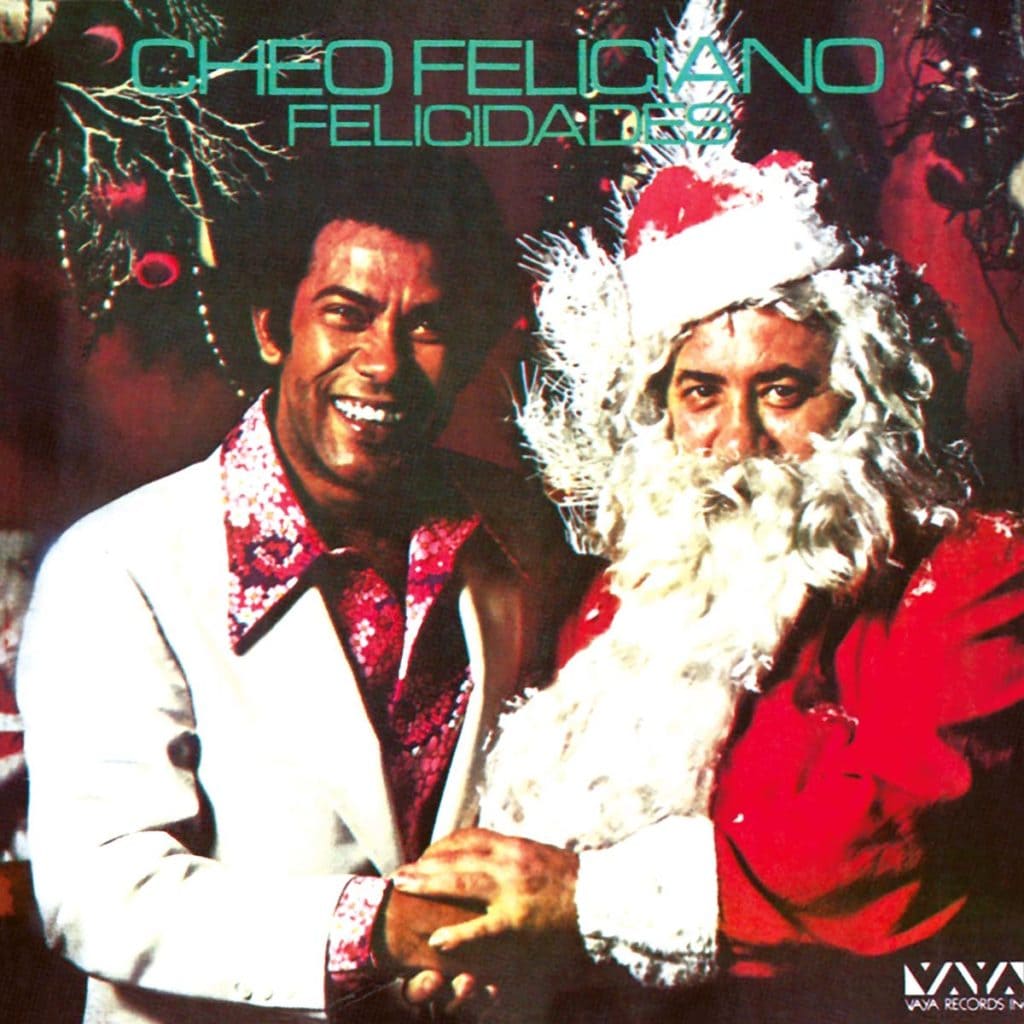
The joy of Puerto Rican Christmas, with its cultural richness and the diversity of festive and gastronomic traditions, pulses to the utmost level of expression on this 10-songs-long historical album by Jose Cheo Feliciano, “Felicidades.” It’s an enormous pleasure to write, 33 years after its original release, about an album this humble collector and connoisseur considers one of the five best Christmas albums of all times, along with both volumes of Willie Colon’s Asalto Navideño with Hector Lavoe and Yomo Toro.
“Felicidades,” the third phase of Tite Curet Alonso’s Cheo Feliciano Project that he conceived to resume Cheo’s career as he completed the Hogares Crea rehabilitation program, is a gift of happiness. It’s unavoidable to imagine the old times’ parranderos travel through the starry December nights to visit their good friends with music and wishes of health and wealth each time one listens to this album.
Listening to this album brings out the flavors of lechón asado (roasted pork), arroz con gandules, gandinga, morcillas, coquito and pitorro. It’s about the nostalgia of lost times where people treated each other with kindness, and where families shared together in material poverty, but with a great wealth of friendship, God loving and respect to life.
With the help of Tite Curet Alonso, Cheo Feliciano captures the magic and the joy of year’s prettiest time. And these ten songs, written by Tite, Raul Marrero and Wito Gonzalez, were done with the Latin American dancer in mind and with the signature of the Fania All Stars’ explosive, pounding and overwhelming musical accompaniment, as Cheo is joined in this unprecedented Christmas salsa explosion by the likes of Ray Barretto, Larry Harlow, Bobby Valentín, Roberto Roena and Nicky Marrero.
The musicality and swing of Barry Rogers’ trombone is palpable on each cut. His solo on “Comadrita” is worth to be transcribed for the means of analyzing how Christmas traditions and comradeship can be translated into music.
The fusion of Puerto Rican seis chorreao and mapeyé with Cuban son, as exemplified on “Mapeyé,” is still Cheo’s Christmas salute to the Pan-American countries. “Me La Gozo Entera,” with hints of Puerto Rican bomba at the beginning, is an invitation to forget old worries by dancing and partying with friends. “Felicidades,” perennial wishes of wordly health, peace and prosperity, is another vehicle for melting down your shoe heels dancing.
On “Aleluya De Los Campos” Cheo transports us to those campesino dawns surrounded by fog and dew cushioning. “Pa’ La Gente Panameña,” with Puerto Rican décima jíbara lines intercalated with the chorus, is homage to the hospitality of the brotherly country. “Mañana Boricua” is a catchy Puerto Rican bomba evoking the beauty of the countryside and the campesino’s agricultural tasks. “La Fiesta” and “El Parrandero” elevate the adrenaline and furor to unsuspected heights, to keep on dancing whether it rains, thunders or there’s lightning. Drawn to the furious beats of rumba and comparsa, “A Las Alegres Campanas” is a chant of peace and the joy drawn to the world on Christmas’ Eve with the birth of our Lord and Savior in Bethlehem.
“Felicidades” is a master work. Scenes of the Three Wise Kings, cockfights, the dawn at a batey jíbaro, the festive solemnity of the Misas de Aguinaldo, and the flavors of good arroz con dulce and other typical dishes are stripped down into this masterful recording, Cheo Feliciano’s legacy for Puerto Rico and the world.
Credits:
Ray Barretto – congas
Tony Jimenez – congas (“Mapeyé,” “Aleluya De Los Campos,” “La Fiesta”, “A Las Alegres Campanas”)
Larry Harlow – piano
Roberto Roena – bongos
Bobby Valentín – bass
Nicky Marrero – timbales
Barry Rogers – trombone
Jon Faddis – trumpet
Hector “Bomberito” Zarzuela – trumpet
Larry Spencer – trumpet
Luis “Perico” Ortiz – trumpet
Ismael Quintana – maracas
Yomo Toro – cuatro
Chorus - Adalberto Santiago, Tite Curet Alonso, Johnny Pacheco, Heny Alvarez,
Justo Betancourt, Hector Lavoe, Ismael Miranda, Ismael Quintana
Produced by Catalino “Tite” Curet Alonso and Jerry Masucci
Recording director: Johnny Pacheco
Arrangements - Bobby Valentin
Recorded at – Good Vibrations Sound Studios, New York City
Written by Jaime Torres-Torres
La algarabía de la Navidad borinqueña; con su riqueza cultural y la diversidad de tradiciones gastrónomicas y festivas, late a su máxima expresión en la secuencia de diez canciones del histórico disco “Felicidades” de José Cheo Feliciano. Es un inmenso placer escribir –33 años después de su lanzamiento- del álbum considerado humildemente por este conocedor y coleccionista entre los mejores cinco títulos navideños de todos los tiempos, junto a los dos volúmenes de “Asalto Navideño” de Willie Colón, Héctor Lavoe y Yomo Toro.
“Felicidades”, la tercera fase del Proyecto Cheo Feliciano que Tite Curet Alonso concibió para reencaminar la carrera de Cheo a su salida del programa de rehabilitación de los Hogares Crea, es una ofrenda a la alegría.
En cada audición resulta inevitable imaginarse a los parranderos de antaño surcar las frías y estrelladas madrugadas de diciembre para visitar a sus amigos con música y deseos de salud y bienestar.
Escuchar el álbum “Felicidades” despierta en el paladar los sabores del lechón asado, el arroz con gandules, la gandinga, las morcillas, el coquito y el pitorro. Es motivo de nostalgia por tiempos idos donde la gente se trataba con cariño; donde la familia compartía unida en la pobreza material, pero con una fortuna de amistad, amor a Dios y respeto a la vida.
De la mano de Tite Curet Alonso, Cheo Feliciano supo capturar la magia y el gozo de la época más bonita del año. Y la decena de temas, de Tite, Raúl Marrerro y Wito González, es dirigida exclusivamente al bailador de América con la rúbrica del acompañamiento musical explosivo, aplastante y arrollador de la Fania All Stars porque junto a Cheo comparten este derroche de salsa navideña sin precedentes figuras como Ray Barretto, Larry Harlow, Bobby Valentín, Roberto Roena, Nicky Marrero y otros.
“Felicidades” es un disco donde la musicalidad y el swing del trombón de Barry Rodgers se aprecia corte tras corte. El solo de “Comadrita” hoy es digno de una transcripción para el análisis de cómo las costumbres y la camaradería de la Navidad puede traducirse en música.
La fusión de seis chorreao y mapeyé con son cubano, como se escucha en “Mapeyé”, sigue siendo el saludo navideño de Cheo a los pueblos latinos. “Me la Gozo Entera”, con vestigios de la bomba puertorriqueña en sus primeros compases, es una invitación a olvidar los pesares bailando y parrandeando con los amigos. “Felicidades”, deseo perenne de salud, paz y prosperidad para el mundo, es otra rumba sabrosa para gastar la suela de los zapatos bailando.
Con “Aleluya De Los Campos” Cheo nos trasporta a los amaneceres campesinos arropados por el manto de la neblina y el rocío. “Pa’ La Gente Panameña”, con décimas jíbaras intercaladas entre el coro, es un homenaje a la hospitalidad del hermano país. “Mañana Boricua” es un pegajoso bomba puertorriqueña que evoca la hermosura de los campos y las faenas agrícolas del campesino.
“La Fiesta” y “El Parrandero” elevan la adrenalina y el furor a un clímax insospechado, como para seguir bailando y gozando hasta el amanecer, aunque llueva, truene o relampaguee. Entre los avasalladores golpes de la comparsa y la rumba, “A Las Alegres Campanas” es un canto a la paz y a la alegría que en la Noche Buena se derramó sobre la humanidad con el nacimiento del Salvador en Belén de Judea.
“Felicidades” es una obra maestra. Las estampas de los Reyes Magos, de la gallera, del amanecer en el batey jíbaro, la festiva solemnidad de las misas de aguinaldo y la ricura del arroz con dulce y otros manjares típicos se desnudan en esta magistral grabación, legado de José Cheo Feliciano para Puerto Rico y el mundo.
Créditos
Ray Barretto - Congas
Tony Jiménez - Congas
Larry Harlow - Piano
Roberto Roena - Bongó
Bobby Valentín - Bajo
Nicky Marrero -Timbales
Barry Rodgers -Trombón
Bomberito Zarzuela -Trompetas
Jon Faddis - Trompetas
Larry Spencer - Trompetas
Perico Ortiz - Trompetas
Ismael Quintana - Maracas
Coros - Adalberto Santiago, Tite Curet Alonso, Johnny Pacheco, Heny Alvarez
Productor - Catalino Curet Alonso, Jerry Masucci
Director de Grabación - Johnny Pacheco
Arreglos - Bobby Valentín
Escrito por Jaime Torres-Torres
$9.99
$8.99
$9.99
$9.99
$9.99
With A Little Help From My Friend
$9.99
The friend that I had yet to meet would eventually become the most important ingredient in this singer's musical life. Once confirmed, our friendship would last forever. His incisive gaze sought to discover the inner world, the intimate - and would then assume the personal qualities, style and voice of the artists in charge of interpreting his songs. The songs themselves were a reflection of his soul, or mine. Because of that, whenever he delivered his songs, those would be - in his own words - like "clothes that are cut to measure." He was born Catalino - but to his personal friends and the world at large, he would be known as Tite Curet Alonso. He sealed my return to the world of music through the historic “Anacaona” - one of the many songs included in the now legendary album Cheo. Since then, his songs have been and continue to act as a virtual passport to the world of my artistic career. I recorded this album in 1974. It includes such songs as “Nabori” - a composition where Tite leaves the gender of its protagonist to the imagination. He never specified whereas Nabori was a man or a woman. He makes a clear reference to the Indians from Borinquen, the Tainos, and their fight for independence. The motivation behind “Tema De Tu Regreso” appears to be a resolution of sorts to the song “Mi Triste Problema” - recorded earlier for the Cheo LP. The track has the same structure as “Mi Triste Problema.” Both tunes begin with a guitar intro performed by Vinnie Bell. “Hace Furo” talks about the fusion of cultures, black and white. “La palabra de blanco con el ritmo del negro” - "the white man's word together with the black man's rhythm." “Pensar En Ti” is a translation that I made of the song "To Be With You” - from my time as the lead singer with the Joe Cuba Sextet. A song about a frustrated love affair, “Salomé” was the album's big hit. I perform it in concert to this day. The meeting with Tite for the photos of this album took place at Jerry Masucci's apartment on Park Boulevard in Ocean Park, Puerto Rico. Masucci himself let me borrow the shirt that I'm wearing in the cover - the moment when I'm shaking hands with my friend Tite. Masucci had already lent me the shirt worn by me on the cover of the Cheo LP. Enjoy this album. It showcases Tite's brilliance. I thank God for giving us Tite... thank you, Tite, for the "little help from my friend." Liner Notes by Cheo Feliciano Credits: Cheo's Other Friends: Ray Barretto – Congas Vinnie Bell – Guitar Dave Carey – Vibes Larry Harlow – Piano Ismael Miranda – Maracas Charlie Rodríguez – Tres Johnny Rodríguez – Bongo Pete “El Conde” Rodríguez – Maracas Bobby Valentín – Bass Orestes Vilató – Timbales Backup Vocals – Justo Betancourt, Johnny Pacheco, Adalberto Santiago Producer – C. Curet Alonso, Jerry Masucci Recording Director – Johnny Pacheco Arrangements – Bobby Valentín Original Album Photography – Maurice Seymour Original Album Design – We-2 Graphic Designs, Inc., Walter Velez, Izzy Sanabria El amigo que aún no había conocido habría de convertise en el ingrediente más importante en la formación de la vida musical de este cantante, a la vez que se confirmaría esa amistad para siempre. Su mirada analítica buscaba descubrir el interior, lo íntimo, para luego revestirse de la persona, el estilo, la voz que interpretaría su obra magistral, que casi siempre reflejaba su alma, o la mía. De esa forma, cuando me entregaba sus canciones terminadas, eran ciertamente lo que él en sus propias palabras consideró como “ropa cortada a la medida”. Desde su nacimiento fue Catalino, pero para sus amigos personales y consecuentemente el mundo entero, fue y será Tite Curet Alonso. Selló como buen cartero mi regreso al mundo musical su histórica “Anacaona”, entre otras canciones de esa hoy legendaria producción Cheo. Desde entonces, sus canciones han sido y siguen siendo el pasaporte al mundo de mi carrera artística. Esta producción la grabé en el año 1974. Aquí escucharan canciones como “Nabori”, que es un tema que Tite dejo a la imaginación del escucha. Pudiera ser un hombre o una mujer, él nunca especificó el género de “Nabori” y es una clara referencia a los indios de Borinquen, los taínos, en su lucha por la conquista. En la canción titulada “Tema De Tu Regreso”, Tite recoge la motivación y la inspiración, siendo como una resolución del tema “Mi Triste Problema” que grabé en la producción titulada Cheo. Este tema tiene la misma configuración de “Mi Triste Problema” y ambos comienzan con una introducción de guitarra, ejecutada por el mismo guitarrista, Vinnie Bell. “Hace Furo” habla de la co-relación de las lenguas. “La palabra de blanco con el ritmo del negro”, siendo la fusión del blanco y el negro. “Pensar En Ti” es una traducción que yo realicé del tema "To Be With You”, de la época en la que estuve al frente del sexteto de Joe Cuba. “Salomé” fue el éxito de esta producción, tema que habla de un amor frustrado, y que sigo interpretando en mis presentaciones en vivo hasta el presente. El encuentro con Tite para las fotografías de esta producción se llevó a cabo en el departamento de Jerry Masucci en Park Boulevard de Ocean Park, Puerto Rico. Recuerdo que el propio Masucci me prestó una de sus camisas, que es la que tengo en la foto de la portada cuando le doy la mano en agradecimiento a mi amigo Tite. Igualmente, para la producción titulada Cheo, me prestó una camisa transparente de color vino. Disfruten de esta producción, que es parte de su genial obra. Gracias a Dios por regalarnos a “Tite”... Gracias a “Tite”, por la “Gran Ayuda de Mi Amigo”. Cheo Feliciano Notas discográficas de Cheo Feliciano Créditos: Otros amigos de Cheo: Ray Barretto – Conga Vinnie Bell – Guitarra Dave Carey – Vibráfono Larry Harlow – Piano Ismael Miranda – Maracas Charlie Rodríguez – Tres Johnny Rodríguez – Bongó Pete “El Conde” Rodríguez – Maracas Bobby Valentín – Bajo Orestes Vilató – Timbales Coro – Justo Betancourt, Johnny Pacheco, Adalberto Santiago Productor – C. Curet Alonso, Jerry Masucci Director de Grabación – Johnny Pacheco Arreglos Musicales – Bobby Valentín Fotografía de Portada Original – Maurice Seymour Diseño de Portada Original – We-2 Graphic Designs, Inc., Walter Vélez, Izzy Sanabria