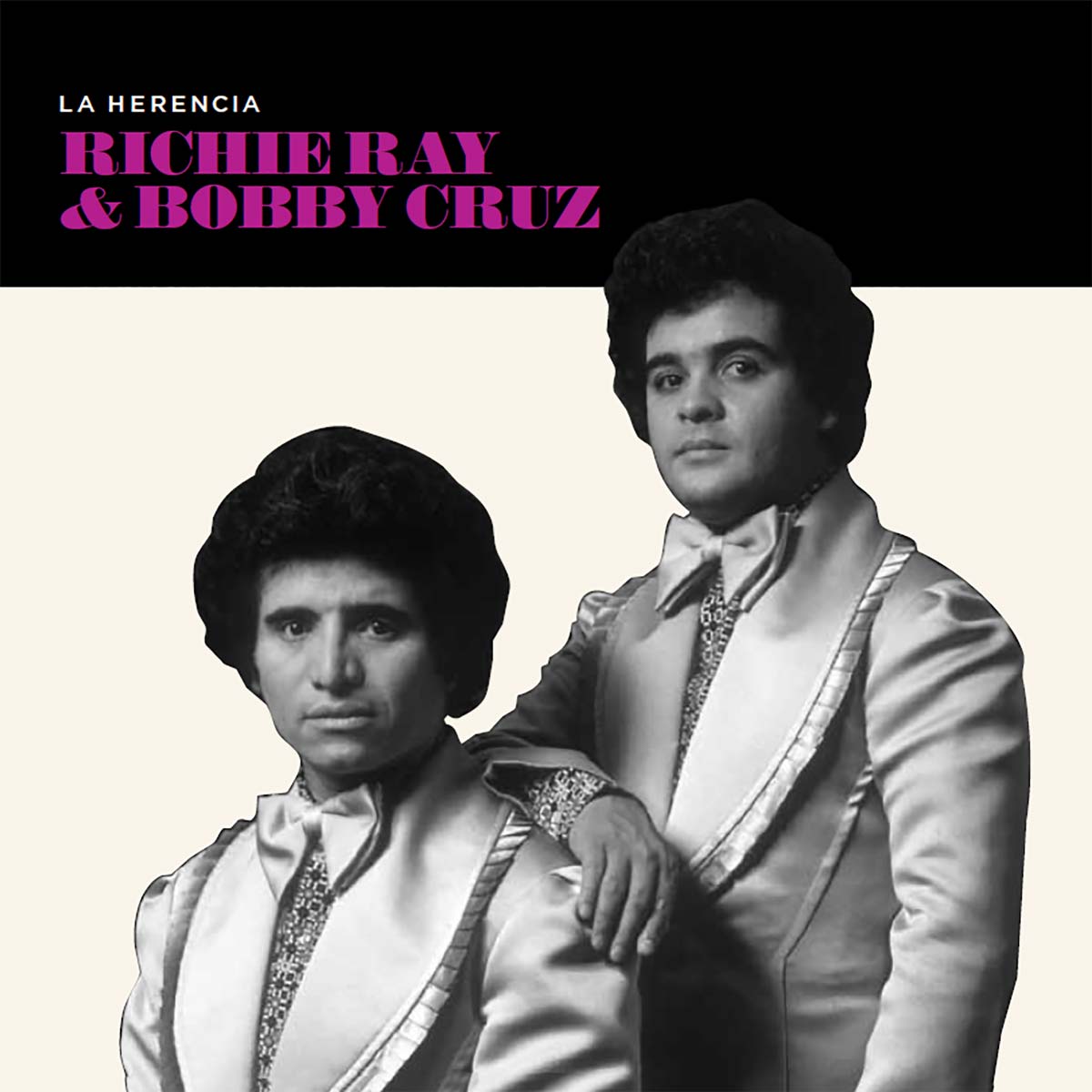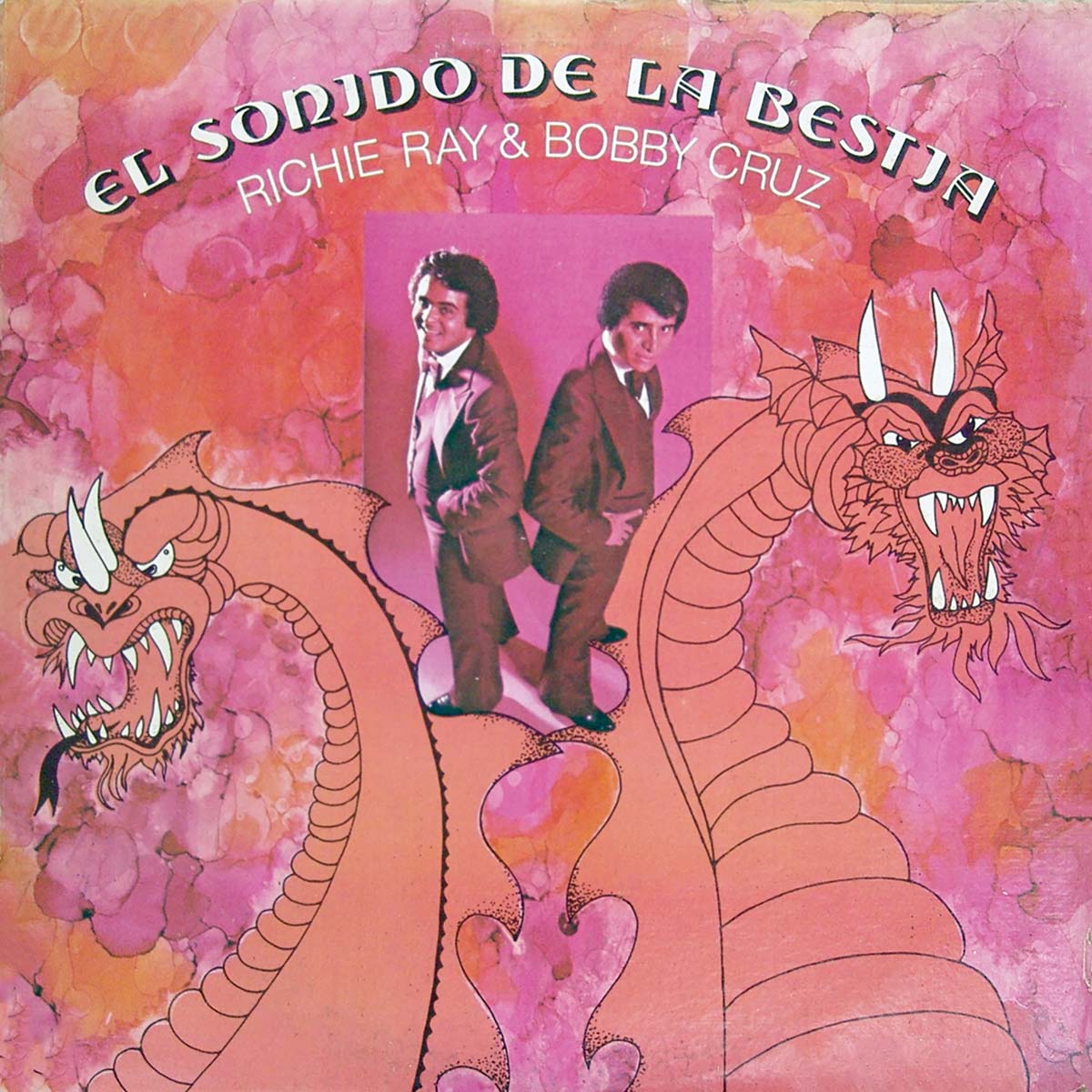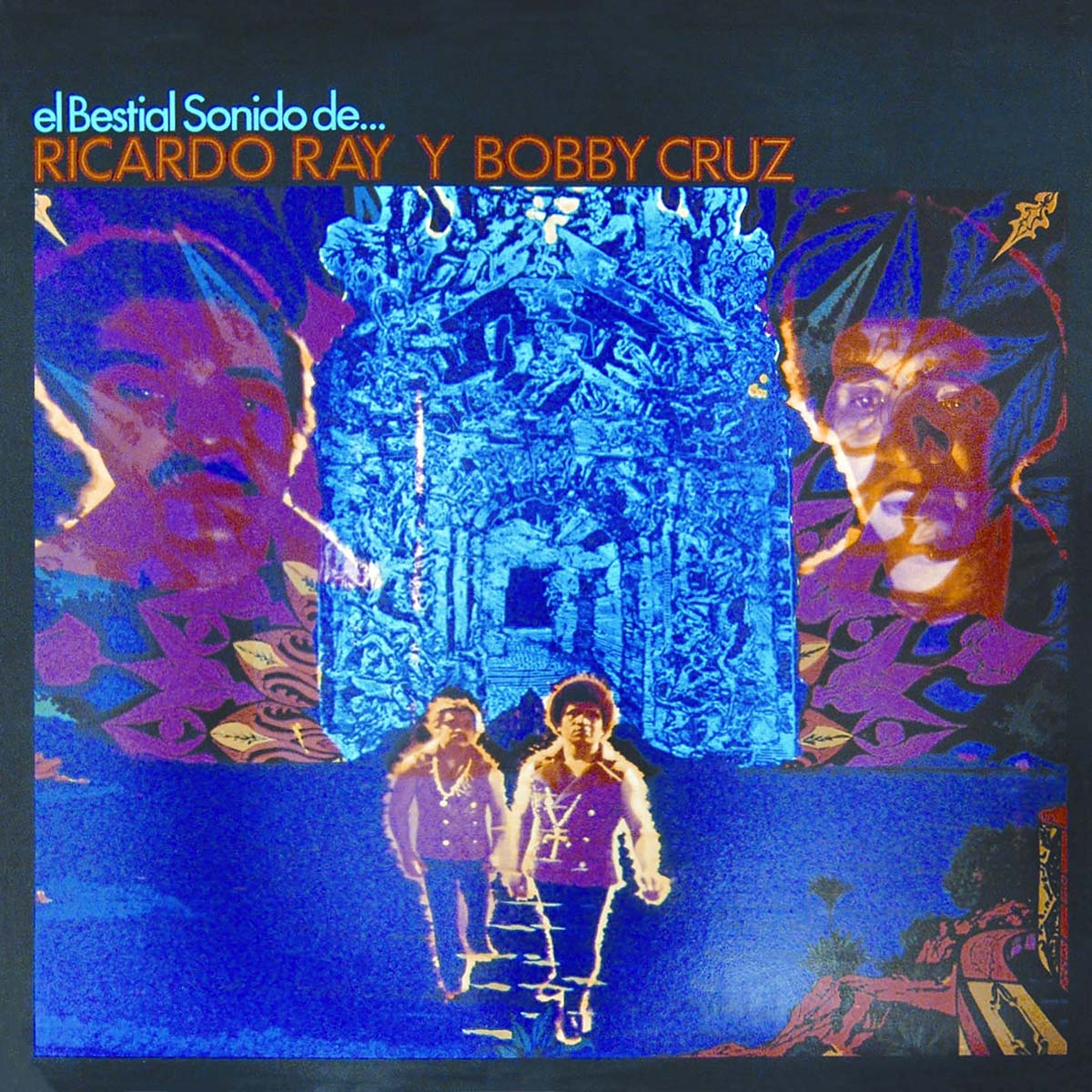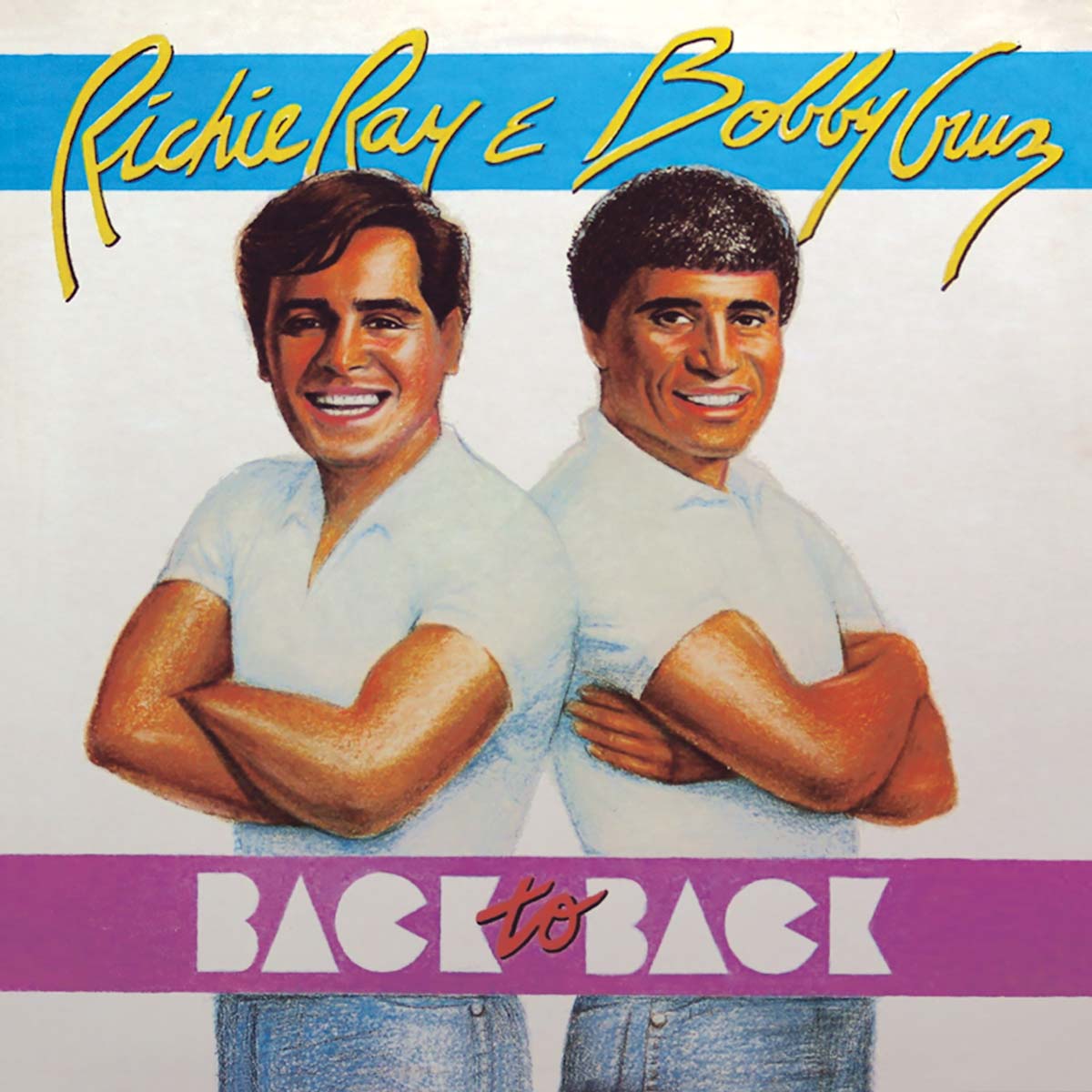

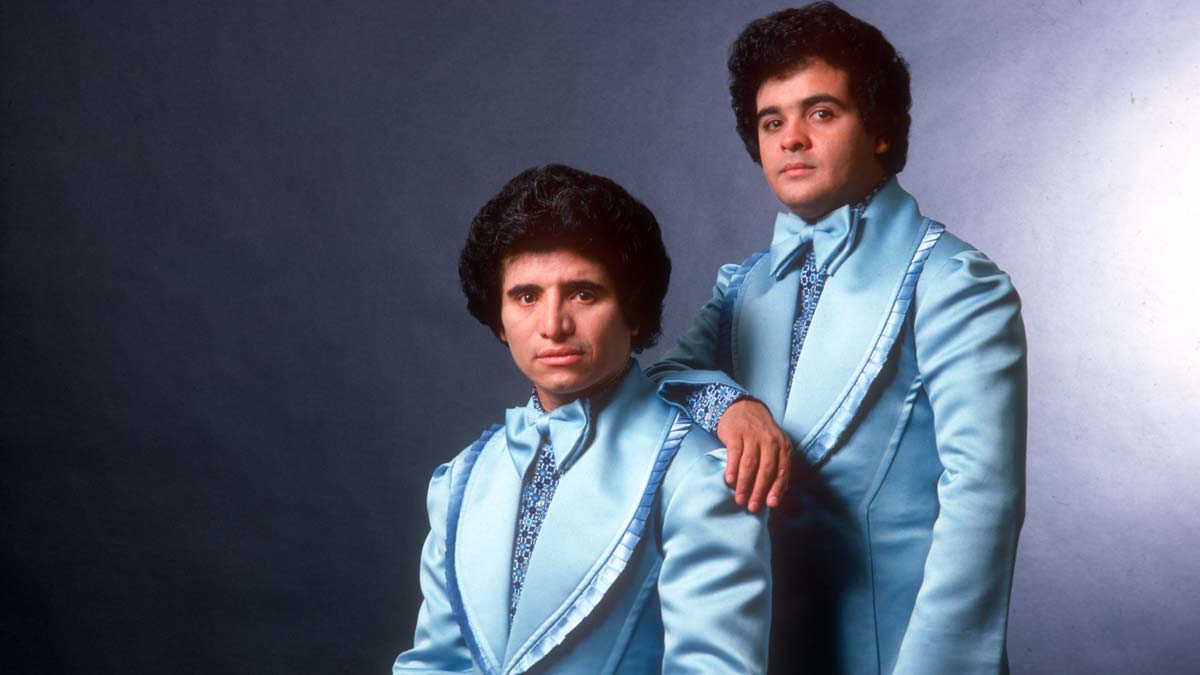
The duo’s sessions for the Alegre, Tico and Vaya labels are a treasure trove of salsa gems, the albums that they recorded following 1975 showcase Christian swing at its most original, with a more mature Richie Ray fusing Afro-Caribbean rhythms with novel elements of jazz and classical music.
Richie and Bobby met as teenagers, growing together in Brooklyn. Their mothers, Cristina and Goyita, worked at a factory together. Richie and his brother Raymond were encouraged to play music by their father Pacífico. Bobby, on the other hand, discovered the feeling of bolero and the cadence of island culture during his childhood in Hormigueros, a tiny village on the Southeast corner of Puerto Rico.
In Brooklyn, they were bewitched by the spell of music and the realities of the street, at a time when young Latinos had to join a gang if they wanted to survive racial discrimination and violence towards Hispanics, particularly those of Puerto Rican origin. Richie, trained in classical music at the Juilliard School Of Music, was the quiet one. Bobby, the leader of an orchestra where he played guitar and bass, knew more about life. Together, they contributed to the development of salsa, a term used in the late ’60s to describe the irresistible music that the duo was making during the era of the boogaloo and the shing-aling.
Bobby wrote the lyrics. Ricardo did the music and orchestrations. Their first albums secured them a lucrative contract with the Tico-Alegre label who delegated the supervision of albums such as Se Soltó, Jala Jala y Boogaloo, Los Durísimos, Agúzate, and others.
Kings of Salsa
The melodious tenor of Bobby Cruz; the steamy beat of the jala jala and Ricardo’s talent for enriching his compositions with melodies and harmonies lifted from Mozart, Beethoven, Bach and Chopin quickly established Los Durísimos in the New York music scene, winning the approval of the demanding crowds at the Palladium, the Bronx Music Palace, the Riverside Plaza Hotel, and other venues.
They were soon known as the Kings of Salsa. The two volumes of Jala Jala y Boogaloo, with a more assured Bobby Cruz on both boleros and upbeat numbers thanks to the influence of his mentor Rafael “Chivirico” Dávila, were a success.
Even though during the hippie era they embarked on experiments such as Los Durísimos Y Yo, , and Let’s Get Down To The Real Nitty Gritty, Richie and Bobby ended up consolidating their popularity with the releases of Agúzate and El Diferente, a classic released on the United Artists label.