

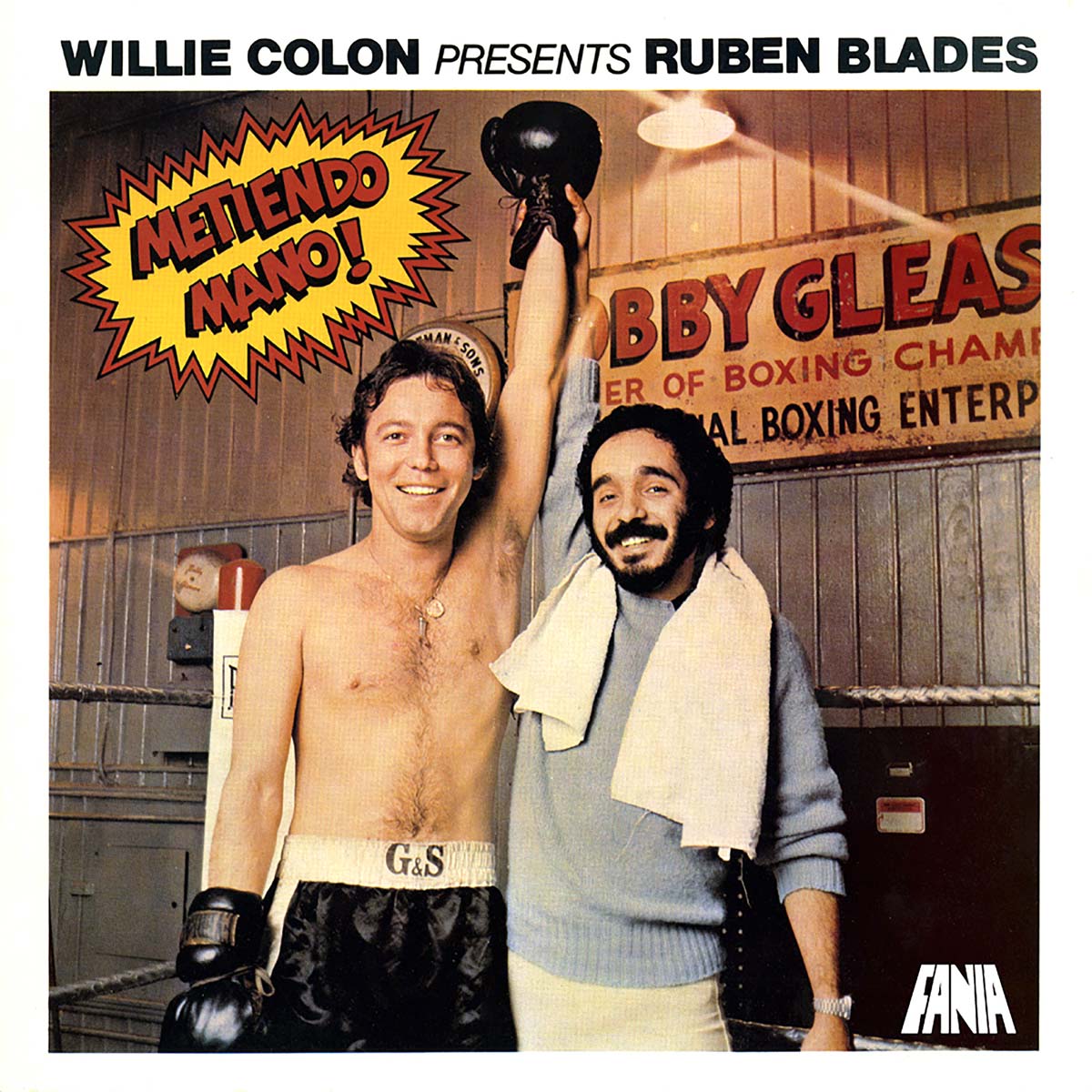
BUY OR LISTEN
I remember just as if it was yesterday that the 8-track cartridge of Metiendo Mano (Fania 500) arrived at record stores before the single “Pablo Pueblo” was played on the radio. I bought my copy at Joyería Danilú in Canóvanas, Puerto Rico, for only $4.99.
In 1977, I was one of the thousands of salseros who approached Colón’s new work with trepidation. After bringing an end to his partnership with Héctor Lavoe and recording a special project with Mon Rivera, Willie presented Blades as the new singer in his orchestra. They had met between 1969 and 1970, when Willie and Héctor visited Panama during carnivals. In 1975, they collaborated briefly on the LP The Good, The Bad & The Ugly. Blades performed “El Casanguero,” a self-penned song inspired by the inmates at the Isla de Coiba jail, who were in charge of chasing away the casanga, a rapacious bird that destroys the rice fields. “El Casanguero” finds Rubén sounding just like Cheo Feliciano, a singer whom he admired and imitated from the time when Cheo was the vocalist with the Joe Cuba sextet. What’s special about Metiendo Mano is that Willie motivated Blades to peform in his own style, just like he had done on the album De Panamá A Nueva York with pianist Pete “Boogaloo” Rodríguez, his first U.S. release following collaborations with Panamanian groups Los Salvajes del Ritmo and Bush & los Magníficos. There was no space for comparisons to Héctor Lavoe here. Those were two different styles and sensibilities. Guided by Colón, Blades brought lyrical content to salsa with “Pablo Pueblo,” “Pueblo,” “Fue Varón” and “La maleta,” the self-penned songs of a record that was rounded up with the tracks “Según El Color” by Félix Hernández, “Me Recordarás” by Frank Domínguez, “Plantación Adentro” by Tite Curet, “La Mora” by Eliseo Grenet and “Lluvia De Tu Cielo” by Johnny Ortiz. Metiendo Mano saw Colón and Blades singing to the exploited factory worker, whose income is not enough to provide for his wife and children; to the crossroads of the Hispanic migrants in the Big Apple; to the brutal genocide of the indigenous people; and the sociological realities of the barrio.
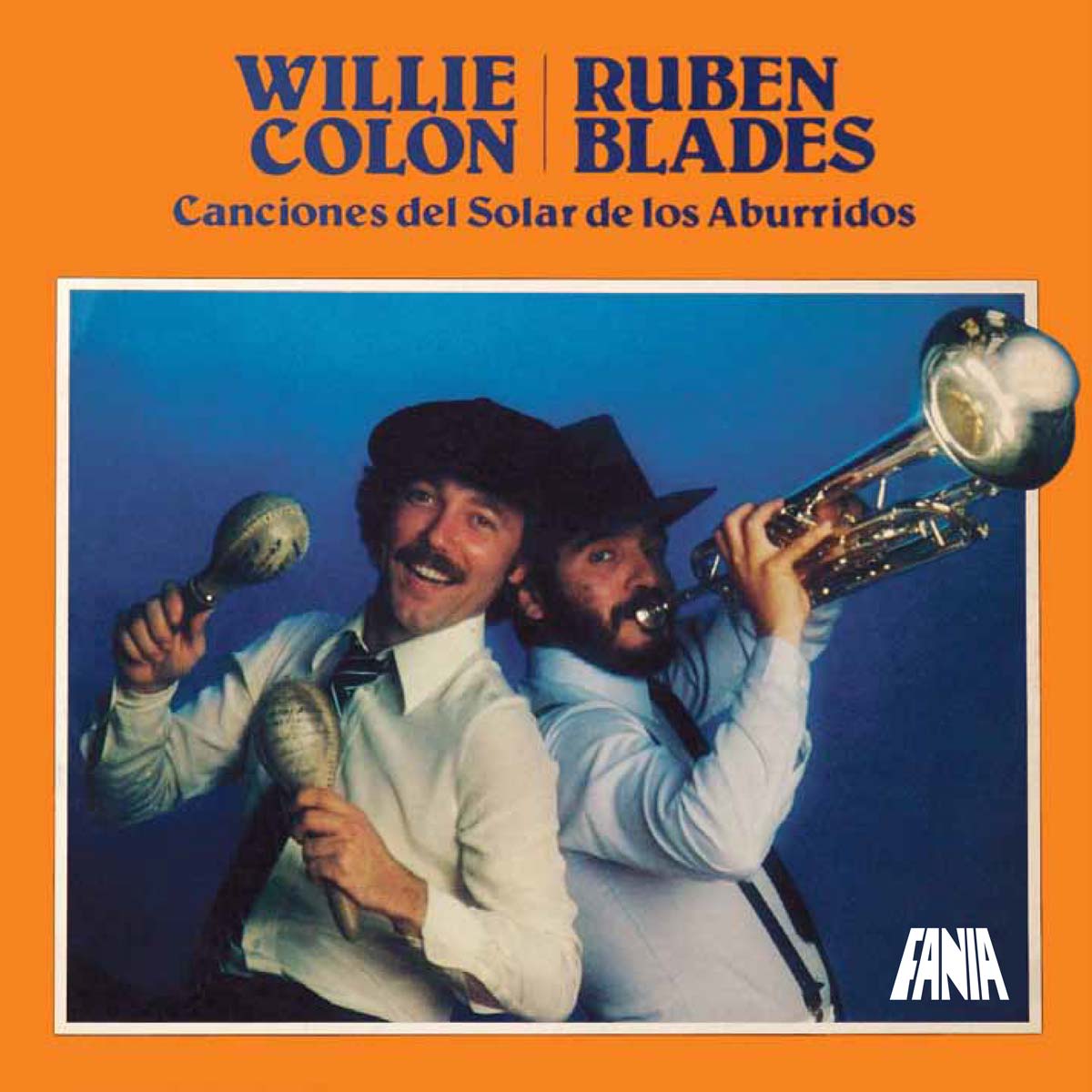
The arrangements by Perico Ortiz, Louie Ramírez, Louie Cruz and Willie himself added sophistication to the streetwise sound that had become the norm for salsa. Skillfully backed by Willie Colón, Rubén Blades showed that he could sing like a true sonero, but on a different style than Lavoe. Without Colón’s guidance, in fact, it is unlikely that Blades would have triumphed in the salsa field. He was an unknown here. His album with Pete Rodríguez had not transcended, and when he became a member of Ray Barretto’s orchestra, he was unable to record songs like “Pablo Pueblo,” which he had written in 1969, simply because Barretto was not interested in that vein of urban folklore. Thanks to Willie, Blades brought a fresh approach to salsa. Anchoring his musical identity on salsa narratives, he revealed to the world the vicissitudes, dreams, thoughts and struggles of people in Latin American cities. I admit that I never get tired of listening to Metiendo Mano. I enjoy it just like I did when it was released, because without the impact of “Pablo Pueblo” and “Plantación Adentro,” the albums Siembra, Maestra Vida and Canciones del Solar de los Aburridos would have never materialized. As innovative as ever, Colón allowed young arranger Perico Ortiz to experiment on “Pablo Pueblo,” replacing the traditional mambo with an interlude to which Willie added a tuba solo by Tom Malone. The bolero “Me Recordarás” features Yomo Toro with an accompaniment and acoustic guitar solo, whereas his cuatro can be heard on Willie’s arrangement of “Según El Color,” an ode to the relativity and contradictions of life which, three decades later, has lost none of its power. At a time when we are experiencing the disasters caused by global warming, the son montuno “Lluvia De Tu Cielo,” featuring an articulate piano solo by Profesor Joe Torres, expresses the violence of deforestation through the trombone of Willie Colón, who recruited on this session the virtuoso talents of Lewis Kahn, Papo Vázquez and Leopoldo Pineda.
He would use the same trombonists on Siembra. The guaguancó “Pueblo,” with Milton Cardona on quinto, brings me back to the struggle of cooperatives in Puerto Rico and the Latin barrios. I listened to “Fue Varón” constantly when my first son was born. 2007 was the 30th anniversary of the release of Willie Colón Presents Rúben Blades Metiendo Mano, a record which changed the history of salsa with its social narrative– launching singer/songwriter Rubén Blades to worldwide fame.
Credits: Willie Colón – Trombone Solo (“Lluvia De Tu Cielo”), Gong, Percussion Rubén Blades – Acoustic Guitar Leopoldo Pineda – Trombone Solo (“Fue Varón”) Papo Vásquez – Trombone Lewis Kahn – Trombone Salvador Cuevas – Bass Milton Cardona – Conga, Clave, Talking Drum, Quinto (“Pueblo”) José Mangual Jr. – Bongos, Maracas, Percussion Nicky Marrero – Timbales José Torres – Piano Sonny Bravo – Piano (“Pablo Pueblo”), (“Según El Color”) Tom Malone – Tuba, Harp Synthesizer Yomo Toro – Cuatro (“Según El Color”), Lead Acoustic Guitar (“Me Recordarás”) Lead Vocals – Rubén Blades Chorus – Willie Colón, Rubén Blades, Milton Cardona, José Mangual Jr Producer – Willie Colón Recorded at – La Tierra Sound Studios, NY Engineer – Jon Fausty, Irv Greenbaum Arrangements – Willie Colón (“Según El Color”, “La Mora”, “Plantación Adentro”), Louie Cruz (“Pueblo”, “Lluvia De Tu Cielo”), Louis Ortíz – (“Pablo Pueblo”, “La Maleta”), Louie Ramírez (“ Fue Varón”) Original Album Photography – Mark Kozlowiski Original Album Design – Izzy Sanabria Original Album Title Design – Pam Lessero
Written by Jaime Torres-Torres
Other Releases by Ruben Blades
Other Releases by Willie Colón
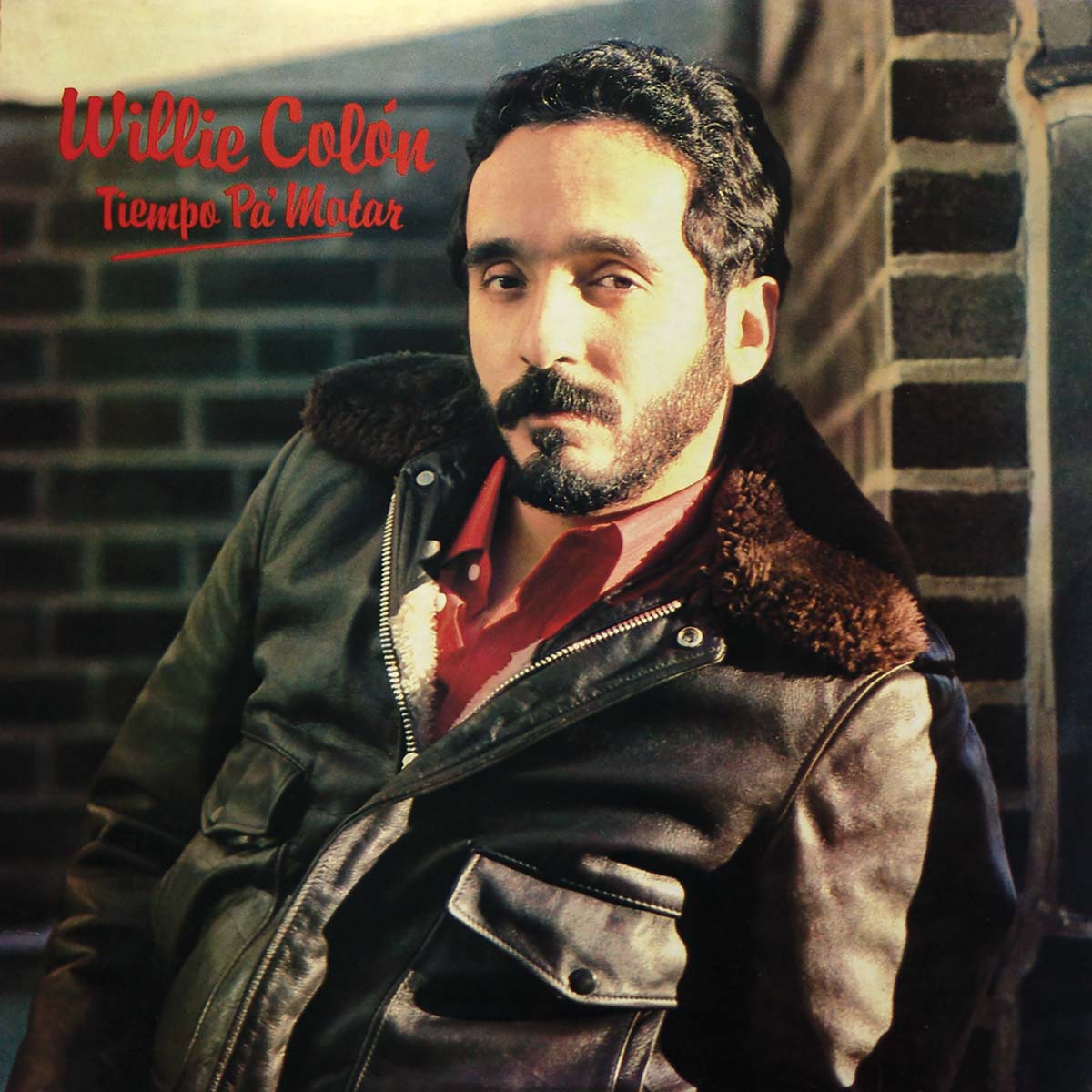
Tiempo pa’ Matar
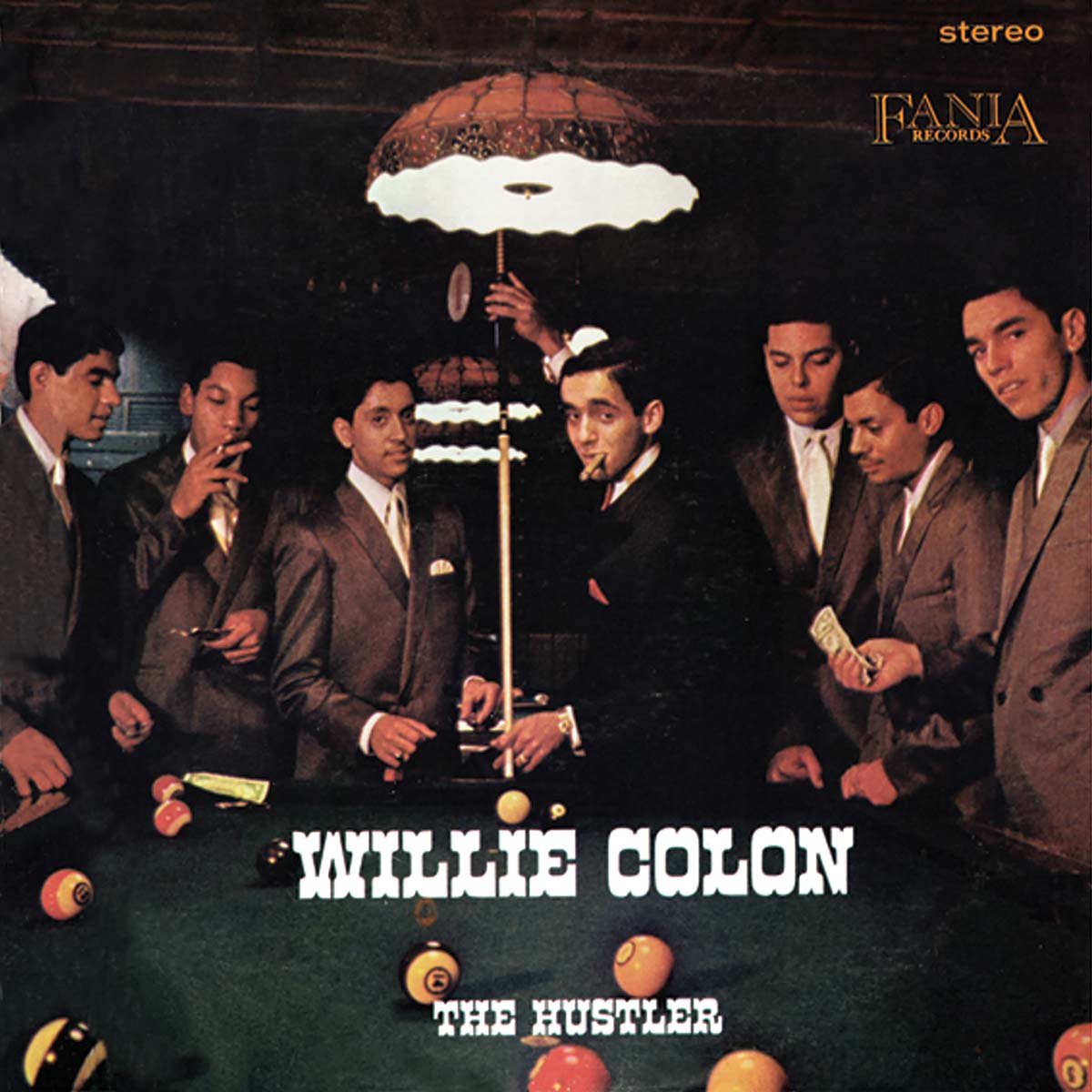
THE HUSTLER

ONLY THEY COULD HAVE MADE THIS ALBUM
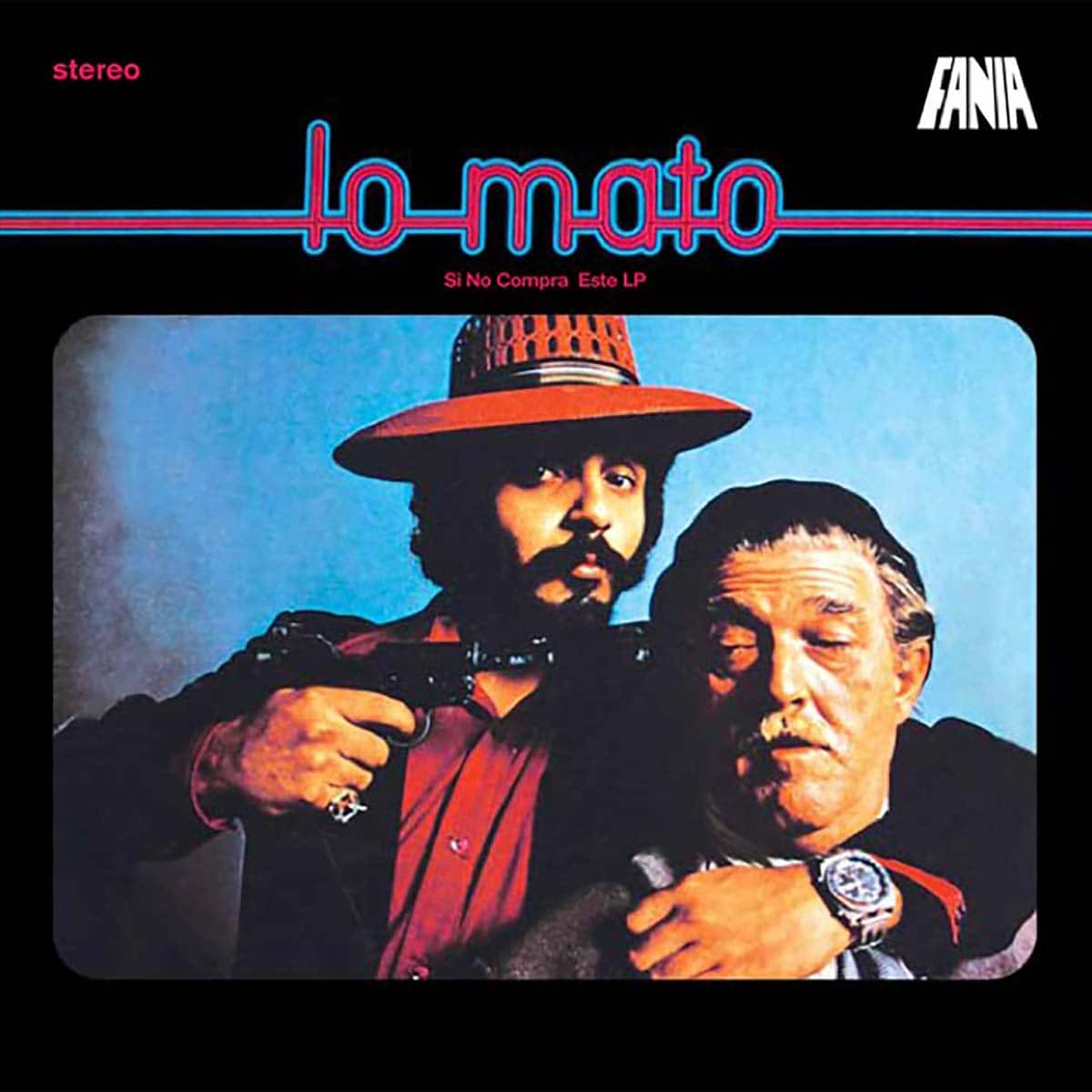
LO MATO
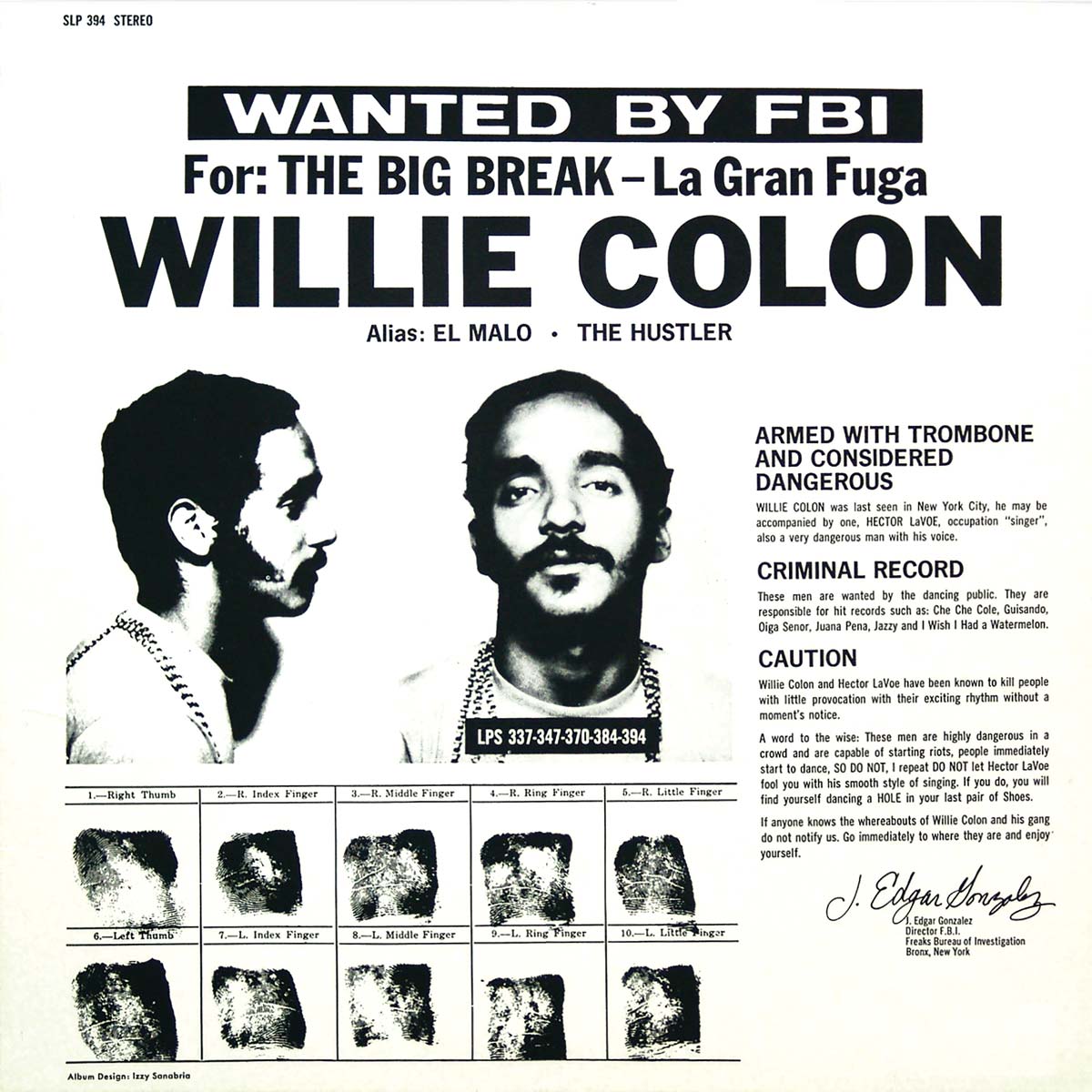
LA GRAN FUGA
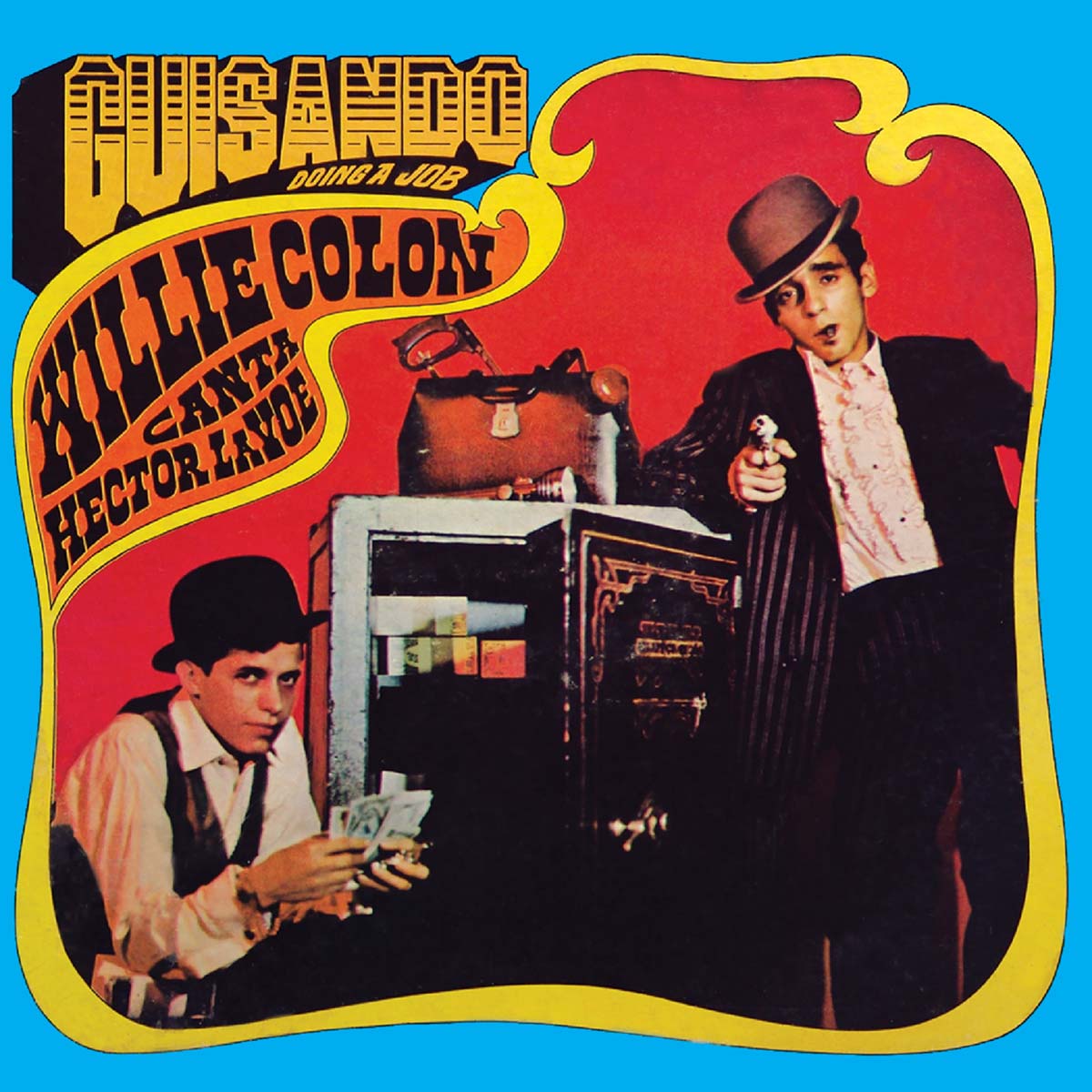
GUISANDO
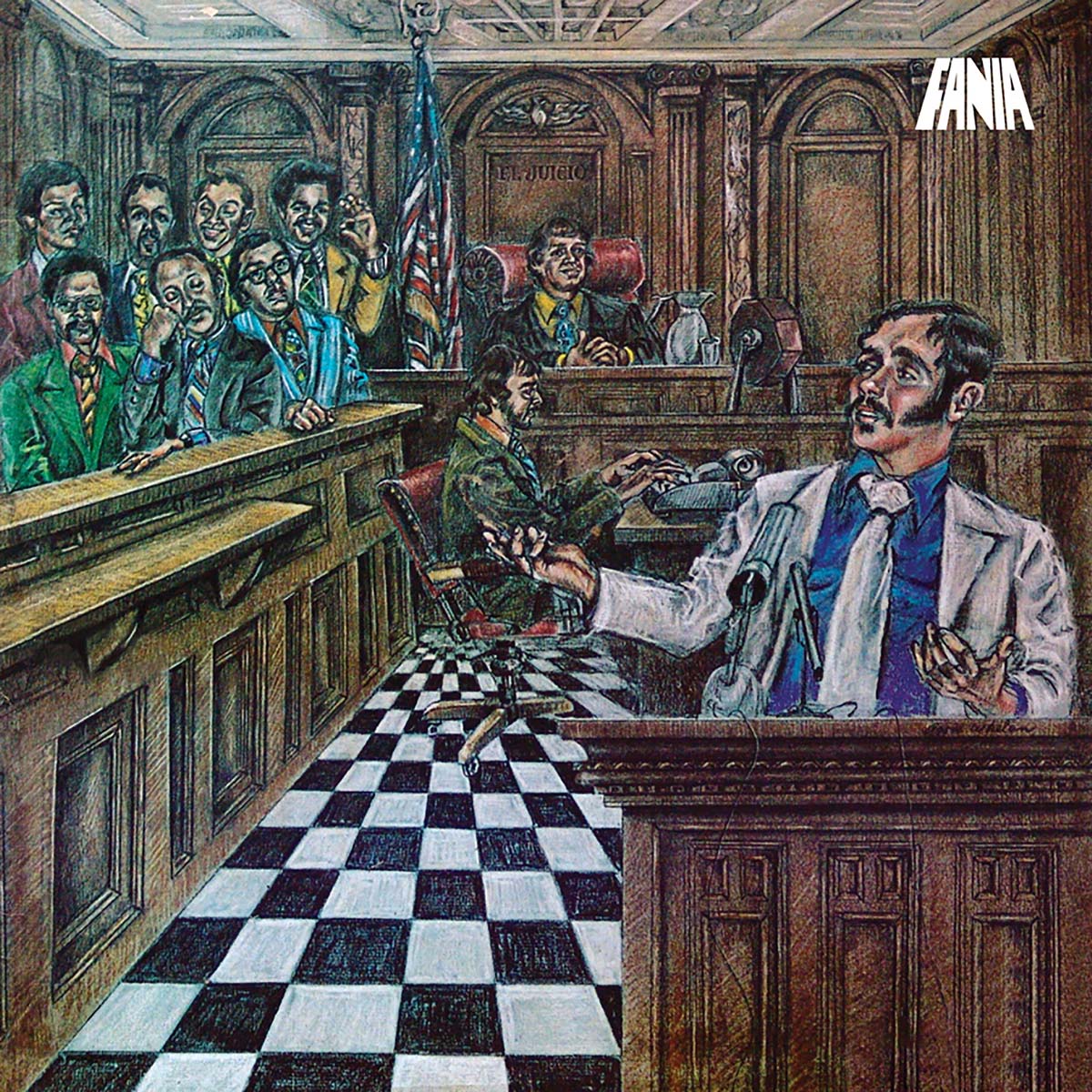
EL JUICIO
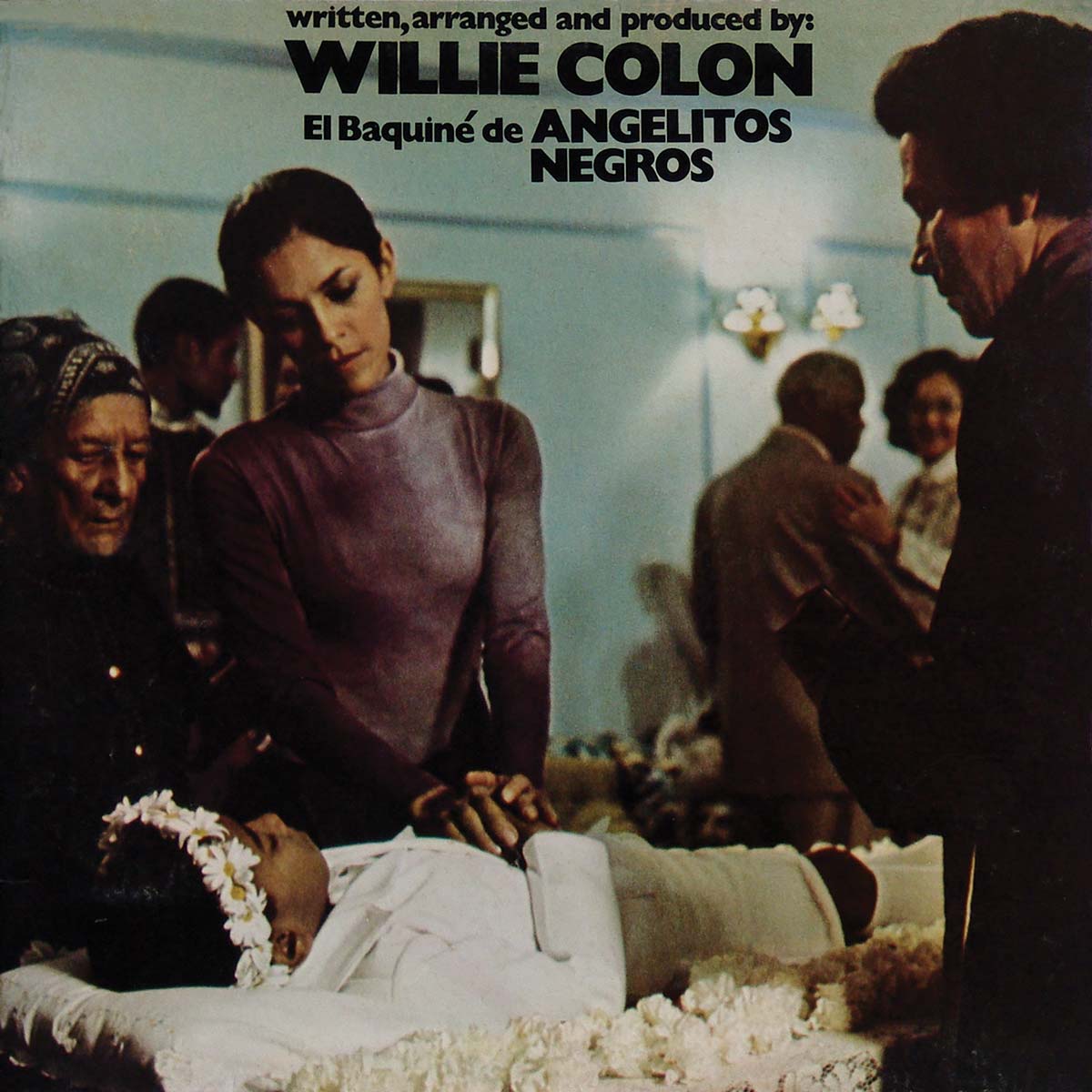
EL BAQUINE DE ANGELITOS NEGROS

CRIME PAYS
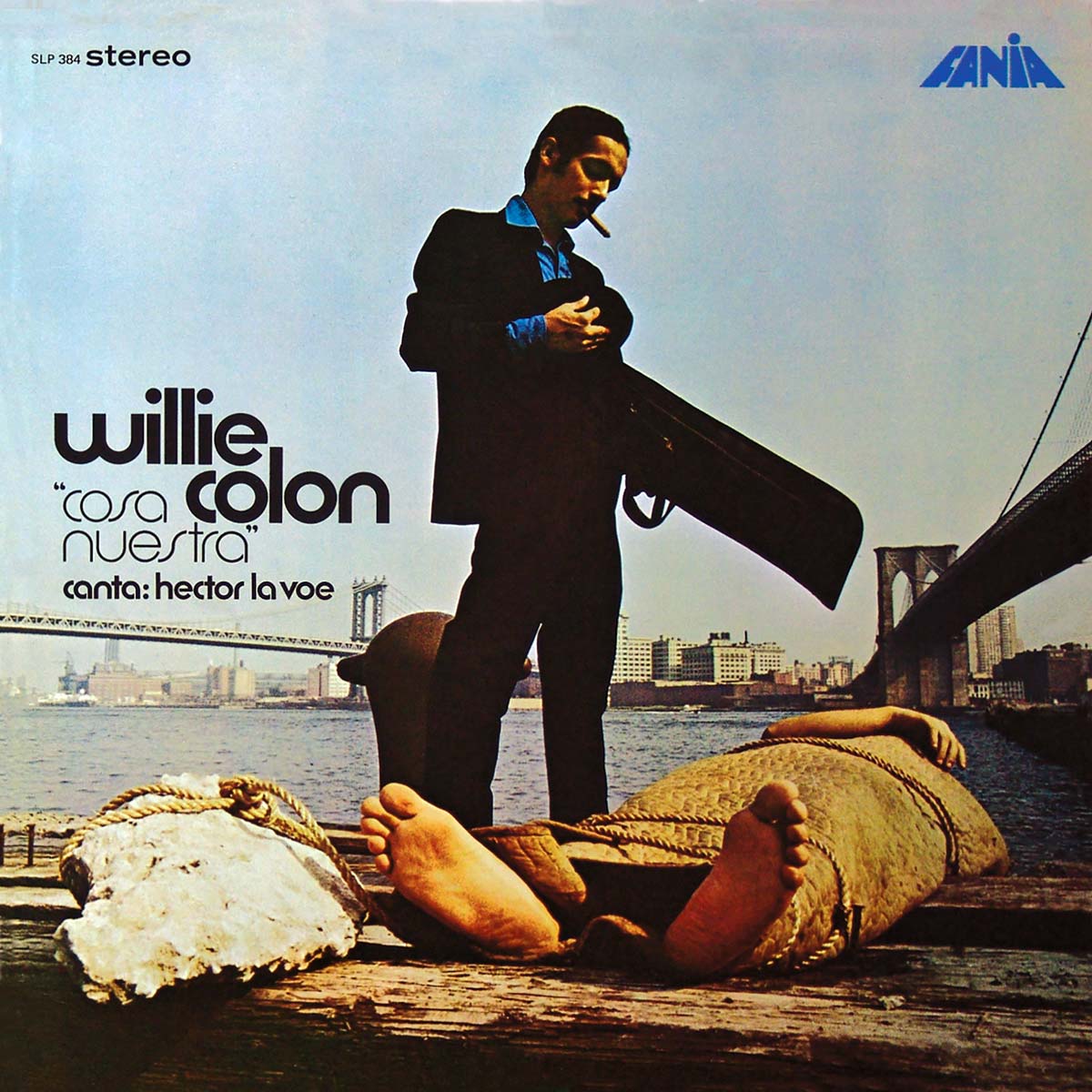
COSA NUESTRA
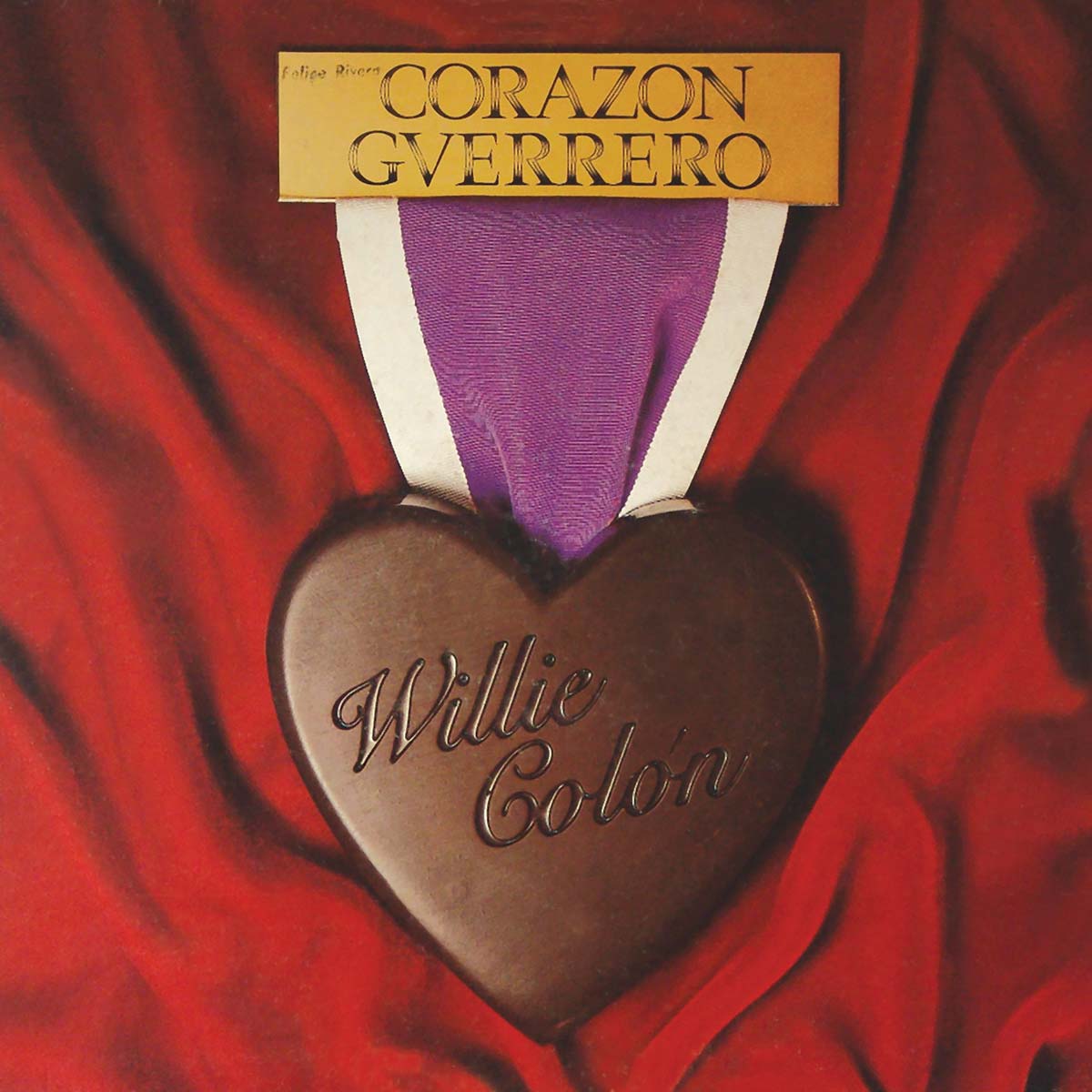
CORAZON GUERRERO
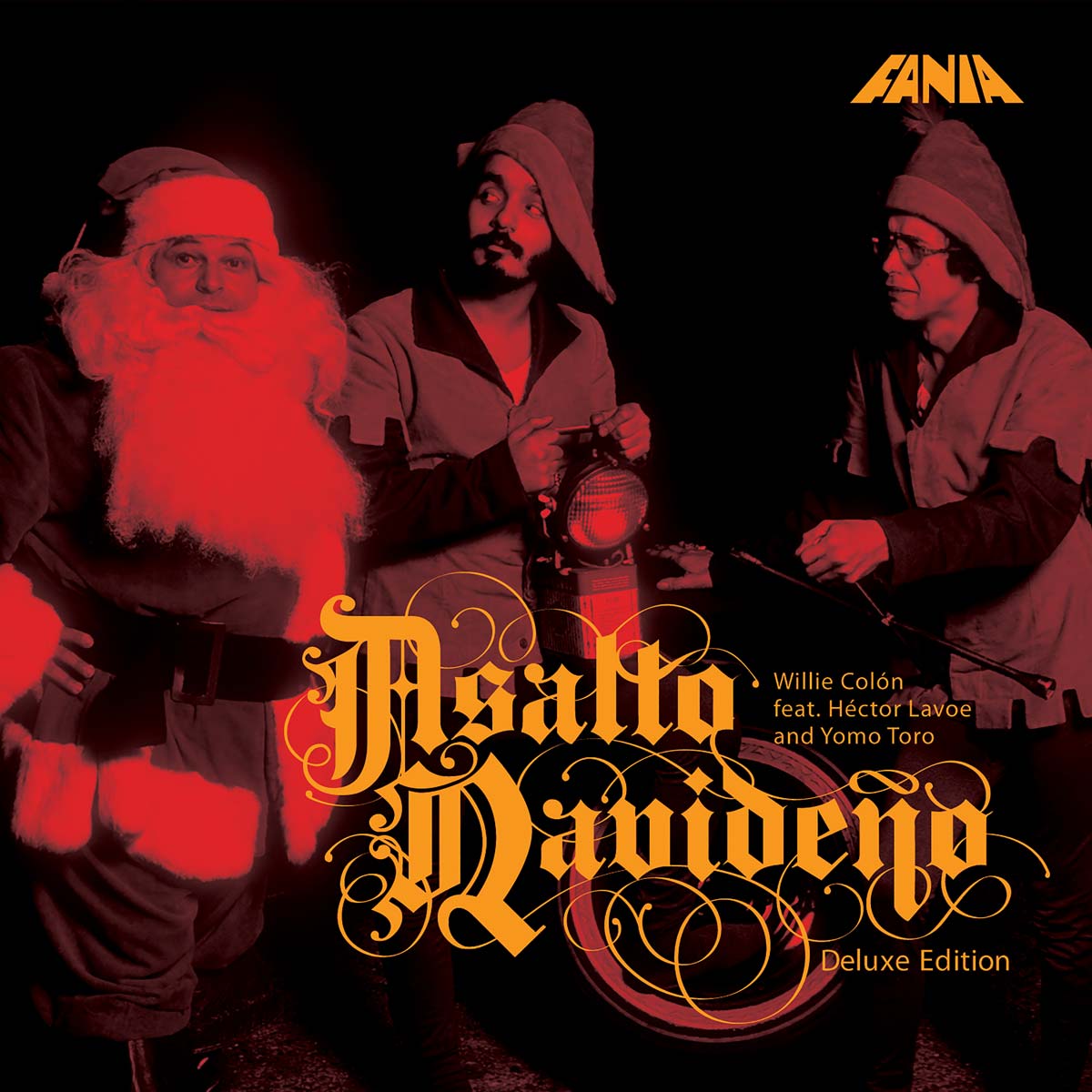
ASALTO NAVIDENO DELUXE EDITION
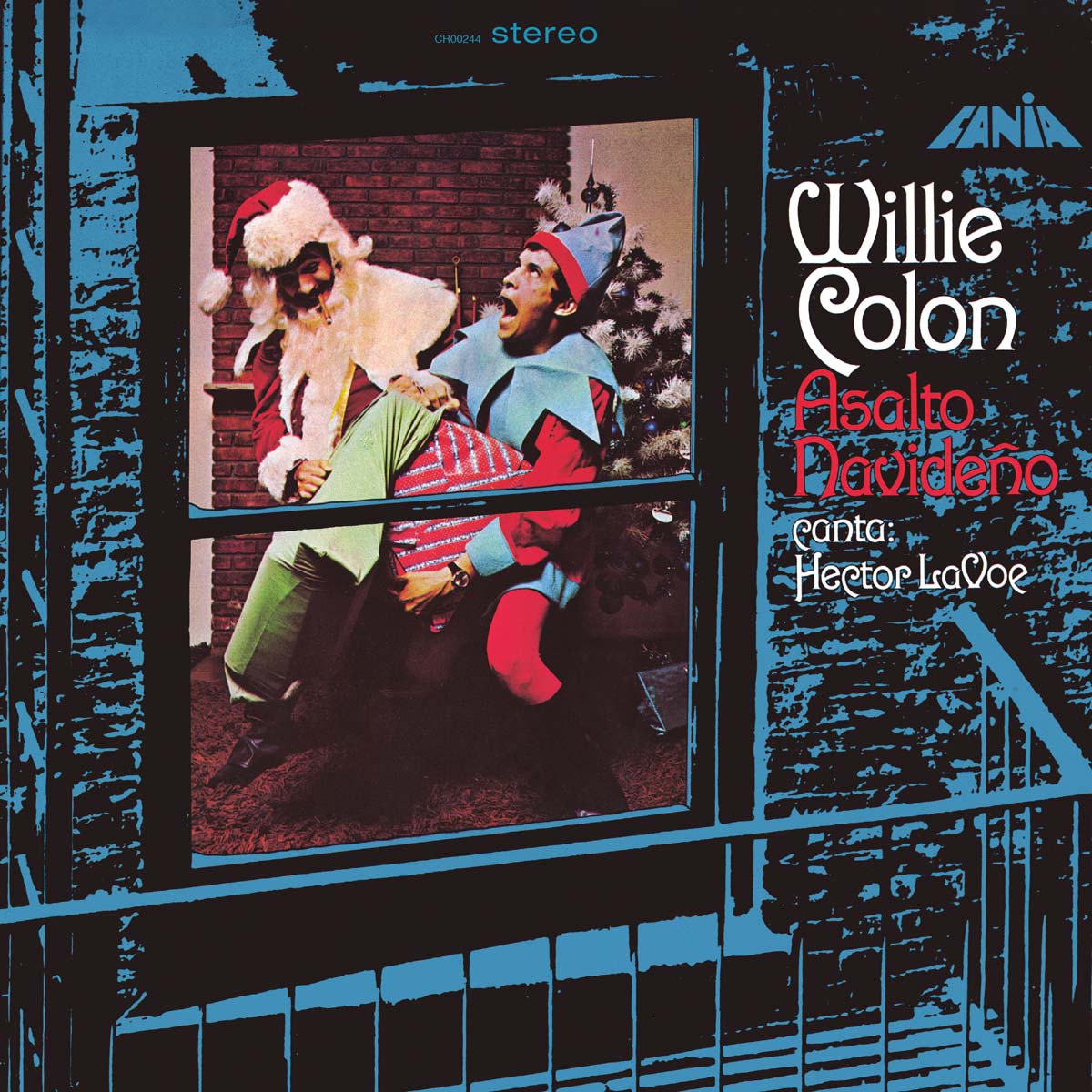
ASALTO NAVIDENO
A MAN AND HIS MUSIC – THE PLAYER
THE LAST FIGHT
CANCIONES DEL SOLAR DE LOS ABURRIDOS