Héctor Lavoe was just seven years old when he skipped trombone class at the Juan Morel Music Academy and flew off to the Portugués River, where he skinny-dipped with his friends from the modest Machuelitos neighborhood of his hometown.
This was post-war Ponce, still years from modernization, and like many other cities in Puerto Rico, the capital city could make few promises for a better future.
The economy was fundamentally agrarian, and aside from the few opportunities to work on sugar cane plantations, unemployment was the norm. As a result, many Ponce residents were forced to enlist in the United States Army.
...MORE >

Héctor Lavoe was just seven years old when he skipped trombone class at the Juan Morel Music Academy and flew off to the Portugués River, where he skinny-dipped with his friends from the modest Machuelitos neighborhood of his hometown.
This was post-war Ponce, still years from modernization, and like many other cities in Puerto Rico, the capital city could make few promises for a better future.
The economy was fundamentally agrarian, and aside from the few opportunities to work on sugar cane plantations, unemployment was the norm. As a result, many Ponce residents were forced to enlist in the United States Army.
Born on September 30, 1946, Héctor Juan Pérez Martínez had never considered a military career. He lost his mother at a very young age, and it was his father –businessman and music aficionado Luis Pérez- who fostered Héctor’s talent for popular music.
Pérez was a highly demanded guitarist for the Fiestas de Cruz celebrations and other popular religious ceremonies, and he wanted his son to receive formal music training as a trombonist.
Héctor had a different idea – ever since he was a little boy he had dreamt of becoming a singer. And rightly so: he was known for spontaneously bursting into a Vicentico Valdés bolero or Ramito aguinaldo during his tireless pranks on the sugar cane mills and plantations in the Machuelo, Tenerías, Magueyes, and Sabanetas neighborhoods.
In post-war Ponce, music was what genuinely captured the essence of life in the city and the countryside. Héctor was exposed to musical soirees in Ponce neighborhoods and the lyrics of the bolero numbers he harmonized with – songs like “Plazos traicioneros” by Luis Demetrio and “Tus ojos” by Pepe Delgado. He learned them all by heart by playing them over and over on café jukeboxes.
Héctor Juan was a natural troubadour and an eloquent man, with hypnotic powers of persuasion that had girls eating out of the palm of his hand. Like his father Luis, he was a great admirer of feminine beauty. He enriched his musical background by delving into Mexican, Argentine, and Spanish cinema of the era: the films of Joselito, Sara García, Miguel Aceves Mejía, Carlos Gardel, Hugo del Carril, and Lola Flores.
Right from the start, Héctor Juan was a shining star: his charisma, talent, and charm were exceptional, indisputable. Héctor was like nobody anybody had ever seen before. He was one of a kind. His sweet, sensuous voice demanded attention simply because it was so unique. Crystal-clear, refined, and unhurried, with impeccable diction and expressive phrasing: that was Héctor.
Already well on his way to becoming a popular-music vocalist, in his adolescence he began frequenting clubs such as Segovia, where he sang accompanied by his childhood friends, Roberto García and José Febles.
One afternoon when he was around 16 years old, he told his father he was moving to New York to live with his older sister, Priscilla. He was ready to try his hand on the music scene. After all, New York City was the Mecca of mambo: the market that catapulted Machito, Tito Puente, Tito Rodríguez, and countless others into fame.
His father was vehemently opposed to the idea. They argued, verbally attacking each other, and then with his own brand of violence, Luis slapped Héctor hard across the face, telling his son that if he left, he could never come back to his family in Ponce again.
Luis was afraid that Héctor Juan would suffer the same fate as his brother, Luis Angel, who had died of a drug overdose (Priscilla swears it was a car accident). But Héctor longed to sing. Emancipated from his father’s will, he marched straight to the Bronx on May 3, 1963, a skeletal 17-year-old knocking on the door at 1117 Bryant Avenue in the Bronx. He wore long sleeves and tight pants, and at 5’8” he barely tipped the scale at 102 pounds.
Painter, porter, messenger, and concierge were just a few of the jobs he held trying to earn a living, until one day he reconnected with his friend Roberto García. The two of them began to frequent Latin music and dance clubs in the Bronx, Spanish Harlem, and Lower Manhattan.
Héctor met Russell Cohen, who fronted the New Yorkers, the band Héctor would first record with in 1965: the album “Está de bala.” He worked with Francisco “Kako” Bastar until meeting his musical mentor, Johnny Pacheco, who immediately recognized his talent. Soon after, Johnny introduced Héctor to Willie Colón, and asked the pair to record the album “El malo” with Fania Records. Héctor accepted the proposition on one condition: that he continue on his own path. But the reality was that Fania Records released “El malo” in 1967, and Héctor and Willie were inseparable for the next seven years. The album hit like a tsunami, with waves of success crashing through France, Panama, Colombia, and various other countries. The album reached multi-million-dollar sales, and with the sudden fame came love and lust; experimentation with marijuana, heroin, and cocaine; initiation into sanctimoniousness; intrigue; betrayals and hypocrisy; drug overdoses; family tragedies; suicide attempts; and exploitation. Finally, on June 29, 1993, far from his homeland and ravaged by AIDS, Héctor Juan Pérez Martínez succumbed to death.
His Musical Legacy
By Jaime Torres Torres
Willie Colón himself has admitted in several interviews that thanks to Héctor Lavoe (so named by Arturo Franklyn), he learned to better understand the Spanish language and to appreciate the rich heritage of Puerto Rican music.
The imprint left by this popular duo will never fade away, and the announcement of their separation in 1973 shook the industry to its core. However, not all was lost: many were consoled by the fact that Willie continued to work at Héctor’s side as a producer and occasional band member.
Their music –particularly the dissonant phrases of Willie’s trombone, their daring multi-rhythmic arrangements, and Lavoe’s stabbing, irreverent interpretations– captured the streets of suburbia: from the littered streets of the Bronx to the dreams of a better future for Puerto Rican compadres and all Caribbean brothers from the post-war diaspora.
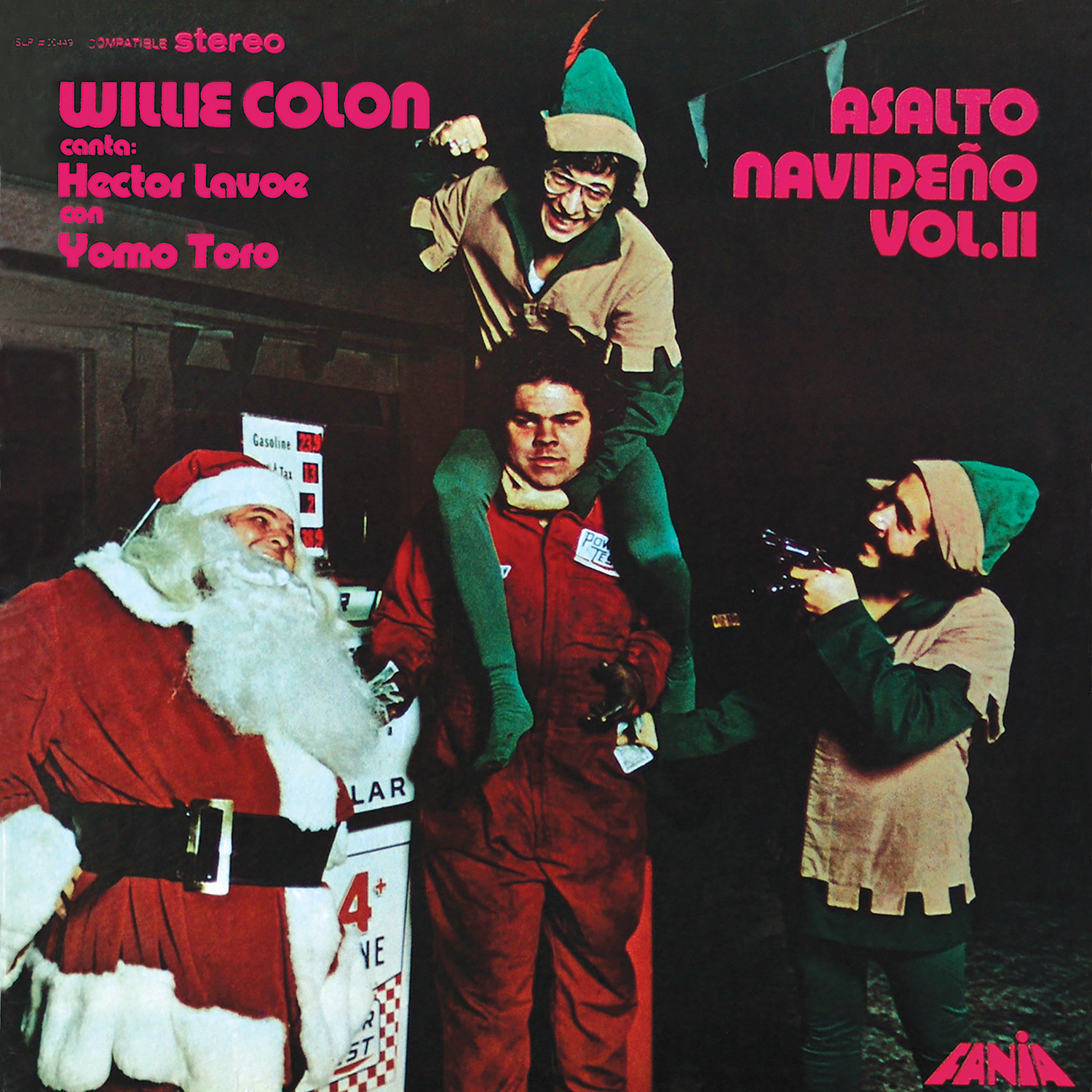
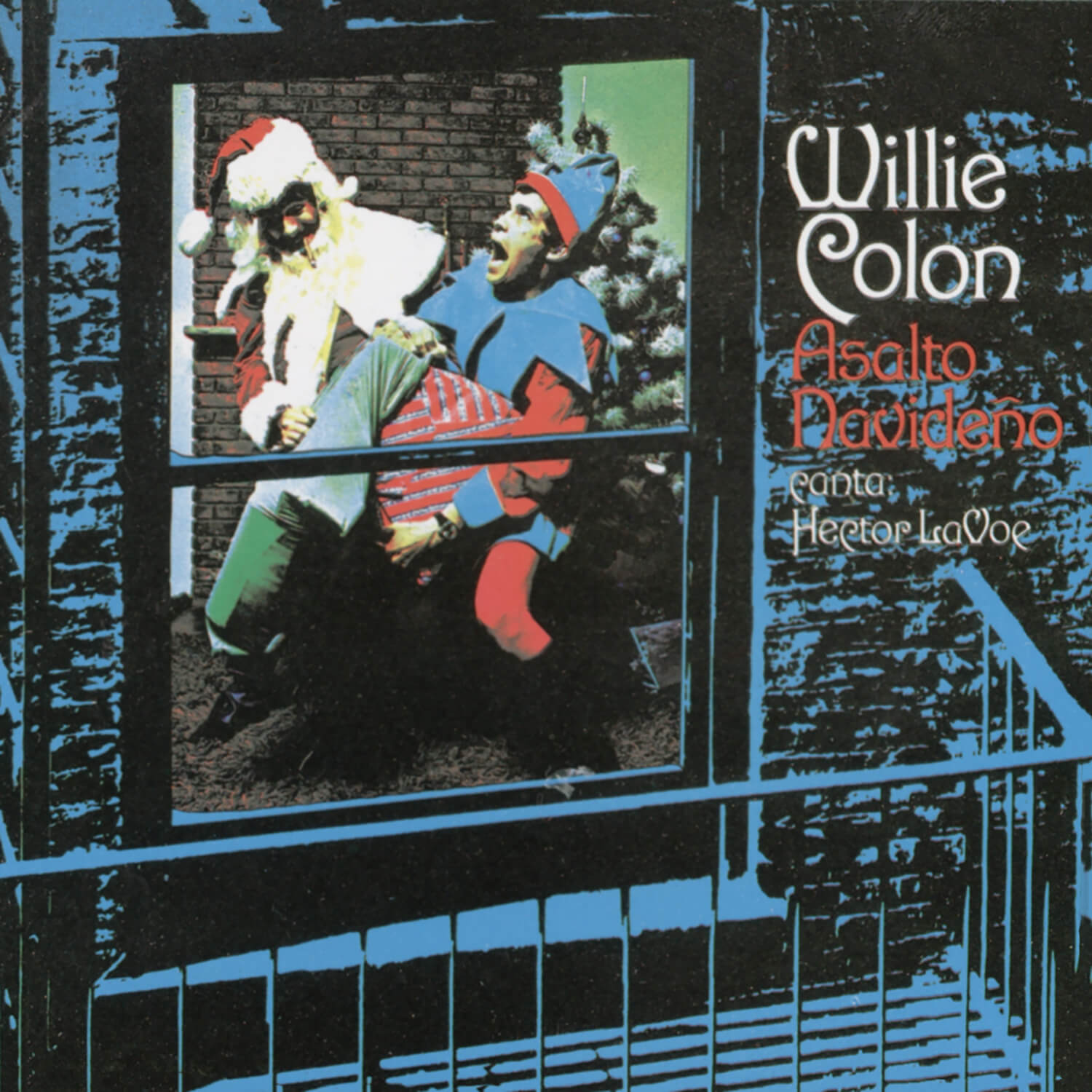
The Lavoe/Colón duo, against the aggressive, violent, and revolutionary backdrop of the hippie movement and anti-Vietnam demonstrations, gave their Latin fans albums such as “El malo,” “The Hustle,” “Guisando,” “Cosa nuestra,” “La gran fuga,” “Asalto navideño,” “El juicio,” “Lo mato,” “Asalto navideño Vol. II,” and “Vigilante.”
In 1967, the boogaloo, shingaling, and jala-jala were still at their height. The Lavoe/Colón duo adapted easily to industry demands, churning out hits like “Willie Baby,” “Willie Whopper,” and “Skinny Papa,” a duet with Willie. But they really hit pay dirt with the son number “El malo,” the guaguancó hit “Borinquen,” and the boogaloo/son montuno number “Chonquí,” tracks that guaranteed a long and successful career for the pair.
The duo truly exploded in 1969 with the release of “Cosa nuestra.” The album’s first single was the Afro-Caribbean hybrid number “Che che colé,” which intertwined beats such as the bomba and the oriza, demonstrating Willie’s ingenuity and talent for salsa in the shadow of the overpowering mambo, son matancero, and Cuban rhumba of the day. The experimentation and innovation continued with “La gran fuga,” “Asalto navideño,” and “Lo mato,” albums that placed them firmly among the likes of established stars such as Tito Puente, Joe Cuba, and Eddie Palmieri.
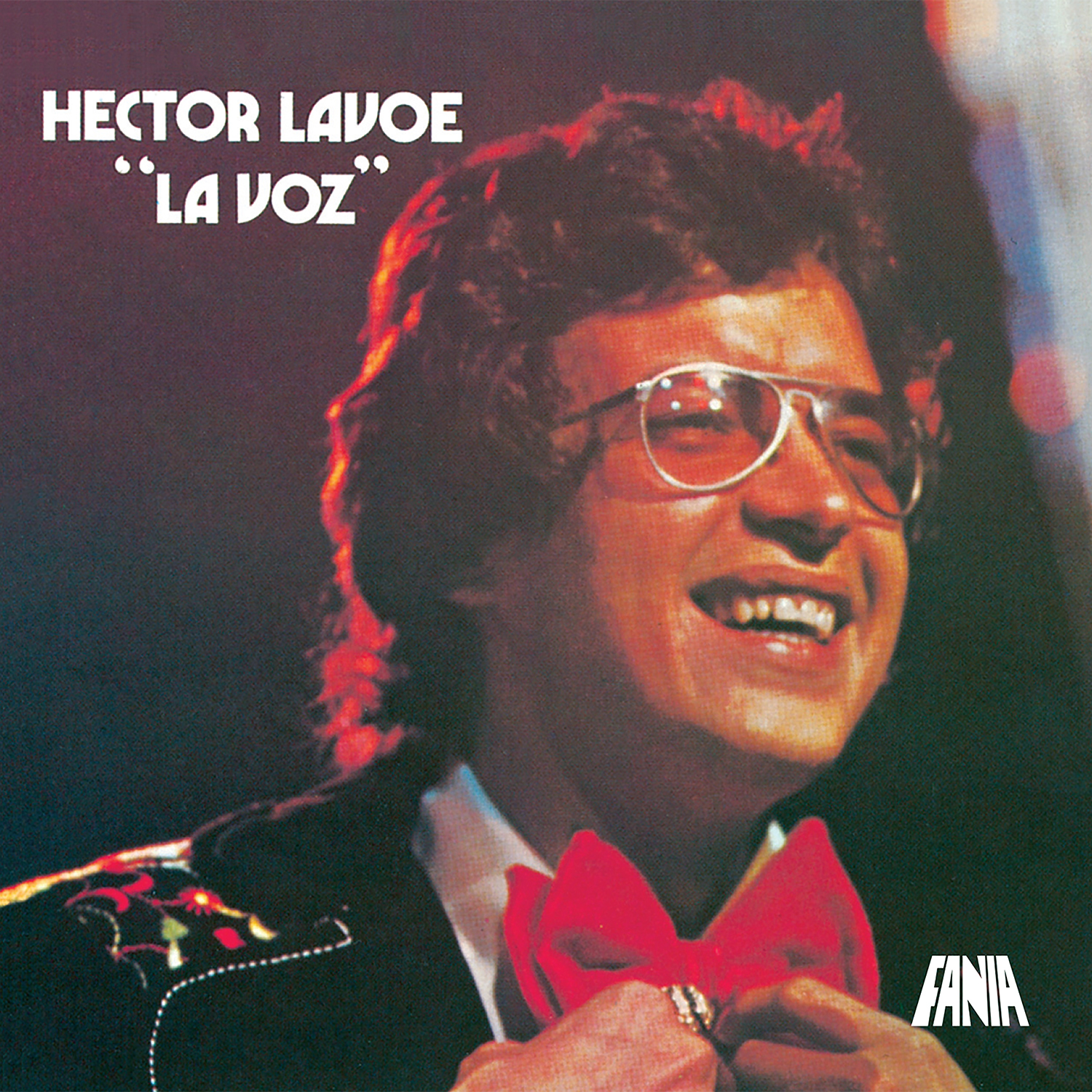
By the time the pair broke up, Héctor Lavoe was already a legend. With or without Willie Colón, he was a superstar. And with the release of "La voz," which included the fabulous “El todopoderoso” with an arrangement reminiscent of Gregorian chants, he only became more successful.
With “De ti depende” (only his second album as a soloist, but considered today the best of his discography), Lavoe solidified his position as the most popular artist of salsa, thanks to the mega-hits “Periódico de ayer,” “Vamos a reír un poco,” and “Hacha y machete.”
After recovering from his first drug overdose, Lavoe returned with a vengeance in 1978, releasing “Comedia.” The album featured the smash hit “El cantante,” which Rubén Blades composed, tailoring it to fit Héctor like a glove. From that moment on, Héctor Lavoe was known as “El Cantante de Los Cantantes” (“The Singer of All Singers,”) and the favorite among the Fania All Stars.
Héctor Lavoe hit highs and lows over the course of his career. The lows were the result of character flaws, drug addiction, insecurities, and a schizophrenia he tried to subdue by devoting himself to religion. Whether high or low, “El Cantante” drove relentlessly on, occasionally striking gold with albums like “Reventó” and “Strikes Back,” considered among the best of his discography.
The Myth of Héctor Lavoe
By Jaime Torres Torres
There is no doubt whatsoever that on the 60th anniversary of his birth, and 13 years after his death, Héctor Lavoe is still singing to the Latino nation from another dimension - just as he promised he would in the aguinaldo number “Canto a Borinquen.”
The legend is now a myth: a phenomenon comparable only to the likes of Carlos Gardel, Edith Piaf, Pedro Infante, and John Lennon.
No salsa artist has ever had such an impact on the world as Héctor did. And the myth grows day by day, because his music was a spiritual expression of his innermost feelings: a sincere reflection of his life, his delights, and his heartaches.
Such was the life of Héctor Juan Pérez Martínez, an empathetic and sympathetic character, a neighborhood guy: down-to-earth and humble, not unlike the reader of these lines.
Make no mistake: Héctor Lavoe was the most accomplished and multifaceted artist of Afro-Caribbean music. He sang everything, and he sang it well: boleros, boogaloos, guajiras, and sons; ballads, tangos, aguinaldos, seises, plenas, bombas, rancheras, and merengues.
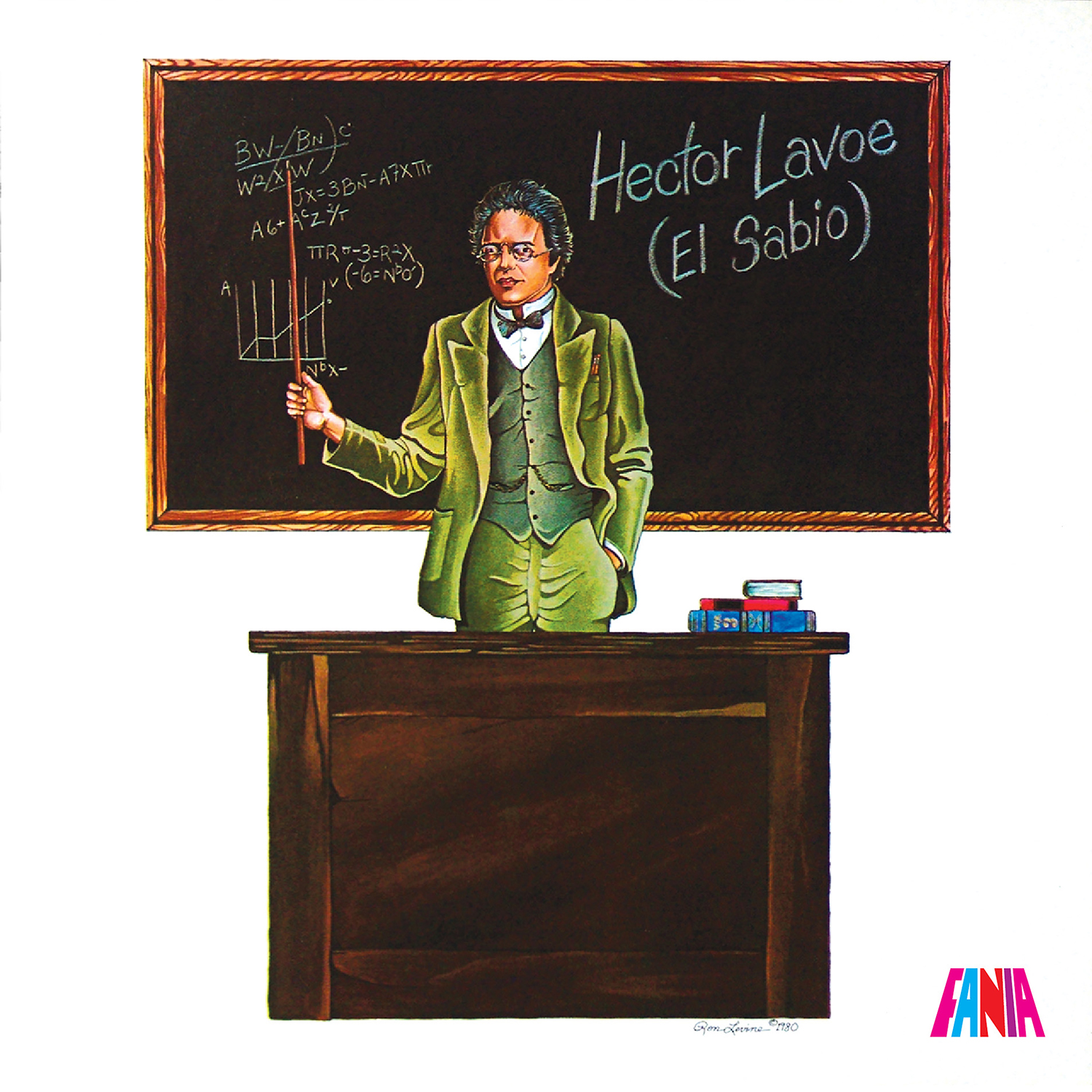
That's why the collection “Héctor Lavoe: A Man & His Music” is such a gem. It represents a little bit of everything from his discography alongside Willie Colón, with the Fania All Stars, and as a solo artist, emphasizing the albums “Cosa nuestra,” “El juicio,” “De ti depende,” and “El sabio.”
The human element of the suffering artist is clear in “El cantante,” “La fama,” and “Loco.” His spiritual endeavors are revealed in "El todopoderoso," "Aguanile," and "Para Ochún." His spite is bitterly present in "Periódico de ayer," "Aléjate," "Juana Peña," and "Piraña." His festive, cheery spirit rings out in “Che che colé,” “La murga,” “Mi gente,” and “Vamos a reír un poco.” His pride and national identity bursts forth in “Isla del encanto.” And his fatalistic view of life is inescapable in “No me llores” and “Todo tiene su final.”
Héctor Lavoe is the voice of the street, the spokesperson for hope. His art is a reflection of life. At least, that’s how Willie Colón always saw him. On June 29, 1993, the morning of Héctor’s death, Willie gave a statement from Spain, eloquently describing his friend and compadre as "The hero of the common man, and a martyr of salsa,” the colossal genre he helped to create.
Discography
El malo (1967)
The Hustle (1968)
Guisando (1969)
Cosa nuestra (1969)
La gran fuga (1970)
Asalto navideño (1971)
El juicio (1972)
Lo mato (1973)
Asalto navideño Vol. II (1973)
La voz (1975)
The Good, the Bad & the Ugly (1975)
De ti depende (1976)
Comedia (1978)
Recordando a Felipe Pirela (1979)
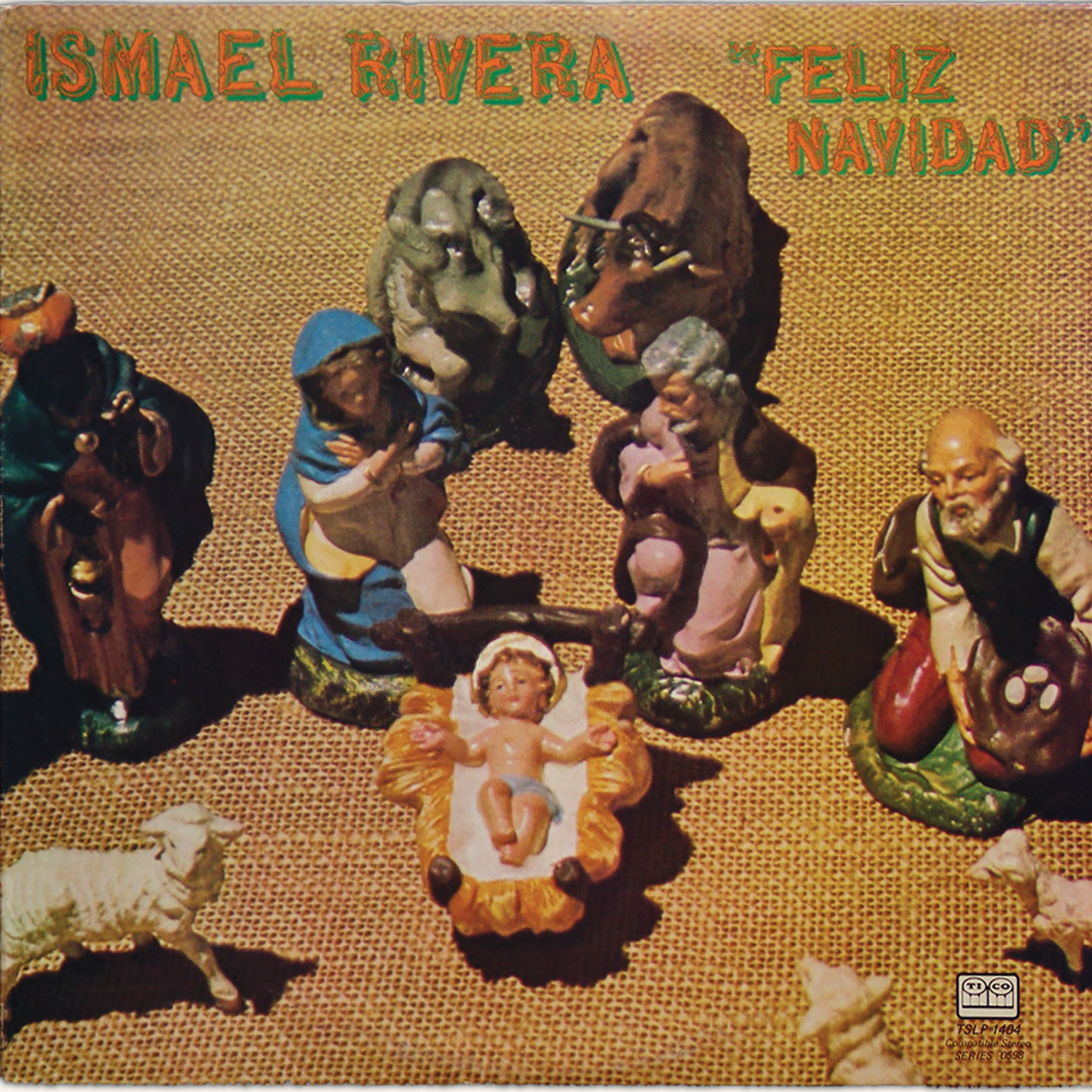
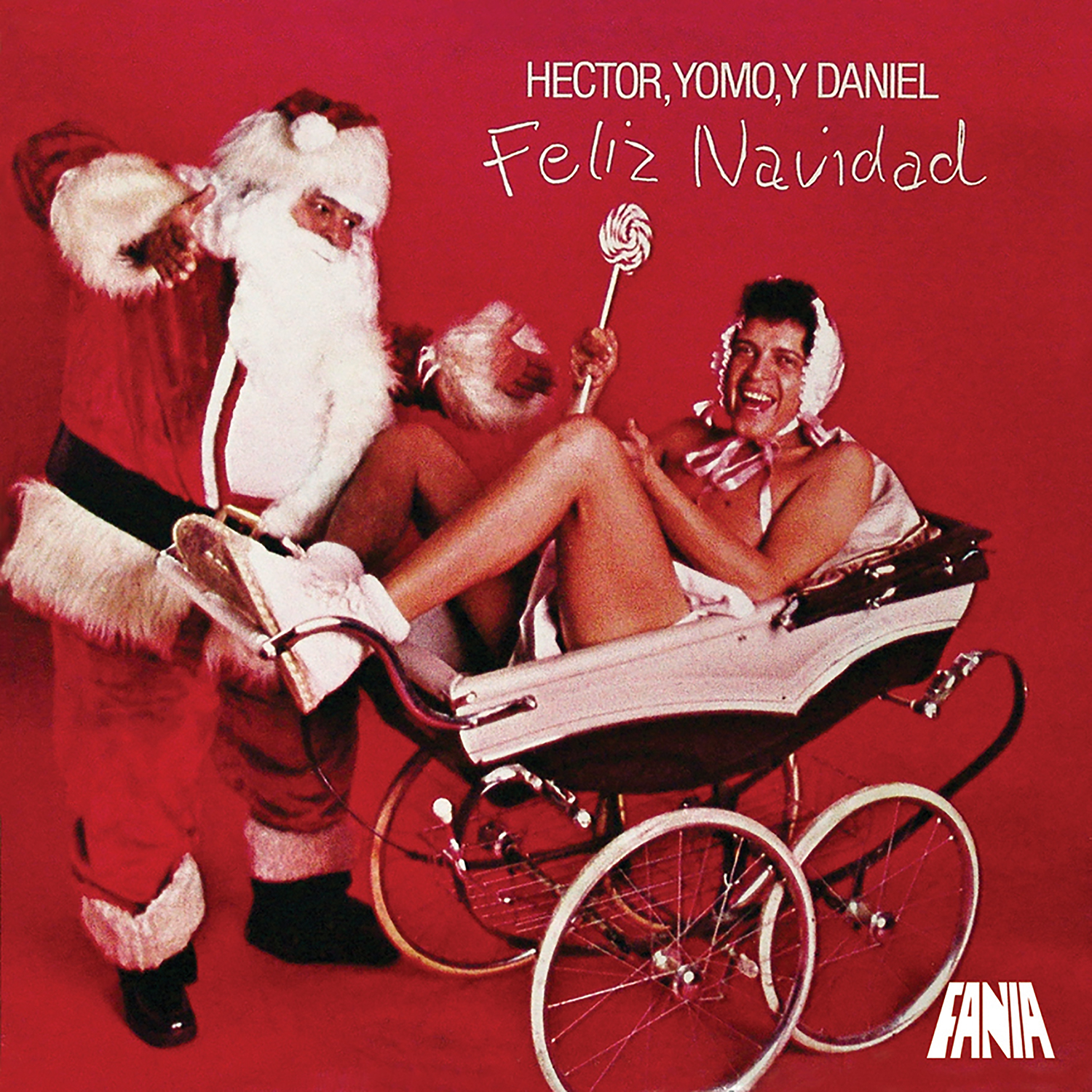
Feliz Navidad (1979)
El sabio (1980)
Que sentimiento (1981)
Vigilante (1983)
Reventó (1985)
Strikes Back (1987)
The Master & the Protégé (1993)
Live (1997)
LESS >